

Table of Contents
- Measure Your Furniture Before Selecting a Unit
- Understanding Storage Unit Dimensions and Capacity
- How to Pack Furniture for Storage Efficiently
- Tips for Stacking Furniture in Storage Units
- Using a Storage Unit Size Calculator for Your Needs
- Climate Control Considerations for Furniture Storage
- Common Mistakes to Avoid When Choosing Unit Size
- Conclusion
Last Updated: August 14, 2026
Measure Your Furniture Before Selecting a Unit
The first step in choosing the right storage unit size for furniture is knowing exactly what you’re storing. Many people skip this and end up renting space they don’t need, or worse, running out of room halfway through.
Measure every piece of furniture you plan to store. Use a tape measure to record height, width, and depth for sofas, beds, wardrobes, tables, and chairs. Write these dimensions down or photograph them. This takes 30 minutes but saves you from guessing.
Convert measurements to cubic volume for a clearer picture. A sofa measuring 2 metres wide by 1 metre deep by 0.8 metres high takes up roughly 1.6 cubic metres of space. When you add a bed frame, dining table, and boxes of household goods, the total grows quickly.
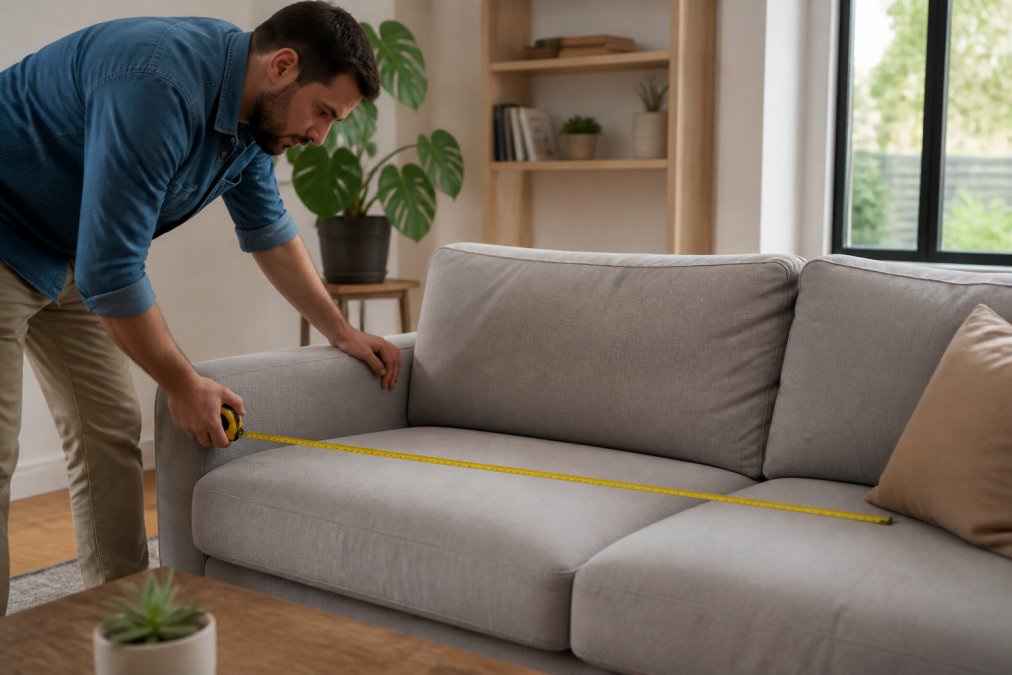
Don’t forget to account for padding and wrapping materials. Furniture wrapped in protective blankets and bubble wrap occupies more space than the bare item. A standard sofa takes up about 20% more space once it’s properly wrapped for storage.
List seasonal items separately. Christmas decorations, garden furniture, and winter clothing may spend only a few months in storage, while other pieces stay longer. Separating these helps you understand your actual long-term storage needs versus short-term overflow.
Understanding Storage Unit Dimensions and Capacity
Storage unit sizes are standardised, but the terminology varies. Understanding the difference between a small, medium, and large unit is essential before you commit to a rental.
A small storage unit typically measures around 3 metres by 2 metres (6 square metres) and holds roughly 8-10 cubic metres of space. This size suits a studio flat’s contents, a small bedroom’s furniture, or seasonal items for a house. It fits a single bed, a wardrobe, a few boxes, and a small dining table comfortably.
Medium units range from 3 metres by 4 metres to 4 metres by 4 metres (12-16 square metres). These hold approximately 15-20 cubic metres and suit a one-bedroom flat’s contents, excess inventory for a small business, or a significant furniture collection. A family downsizing or storing furniture during renovation typically needs this size.
Large units start at 4 metres by 6 metres and go up to 5 metres by 8 metres or larger (20-40+ square metres). These accommodate a full house’s contents, commercial equipment, multiple vehicles, or substantial business inventory. Caravan and boat storage often requires this category.
The difference between unit dimensions and usable space matters. A unit listed as 3 metres by 4 metres has 12 square metres of floor area, but not all of it is equally accessible. Corners are harder to use, and you need aisle clearance to move around safely. Plan for roughly 10-15% loss to access paths.
Ceiling height affects capacity significantly. Standard units have 2.4-metre ceilings, allowing vertical storage and stacking. Some facilities offer units with higher ceilings, which increase usable volume without increasing floor area. This is valuable if you’re storing tall furniture or need to stack items efficiently.
Climate-controlled units occupy the same floor space as standard units but cost more. They maintain temperature and humidity, protecting furniture from warping, mould, and fading. If you’re storing valuable pieces, leather furniture, or items for more than six months, climate control is worth the investment.
How to Pack Furniture for Storage Efficiently
Packing furniture correctly prevents damage and maximises space. The how to pack furniture for storage process starts before items enter the unit.
Disassemble what you can. Remove bed legs, table leaves, and wardrobe doors. Store small parts, bolts, screws, hinges, in clearly labelled bags and tape them to the corresponding furniture piece. Disassembly reduces volume by 30-40% and prevents damage during handling. A bed frame takes up half the space when legs are removed.
Wrap everything. Use furniture blankets, bubble wrap, and plastic sheeting to protect against dust, moisture, and scratches. Wrap sofas and chairs individually. Cover table tops and mirror surfaces. Fragile items like glass shelves need extra padding. This adds bulk but prevents costly damage.
Take photos before wrapping. Document the condition of each piece. This creates a record if you need to file an insurance claim and helps you remember how items looked before storage.
Stack strategically. Place heavier items on the bottom, beds, dressers, solid tables. Lighter pieces go on top. Never stack fragile items or anything with glass components. Store drawers separately if they’re removable; this reduces weight and prevents warping.
Use vertical storage wisely. Stand mattresses on edge rather than flat. Lean mirrors, artwork, and panels against walls. Store chairs upside down to save floor space. This approach maximises square footage without crushing items underneath.
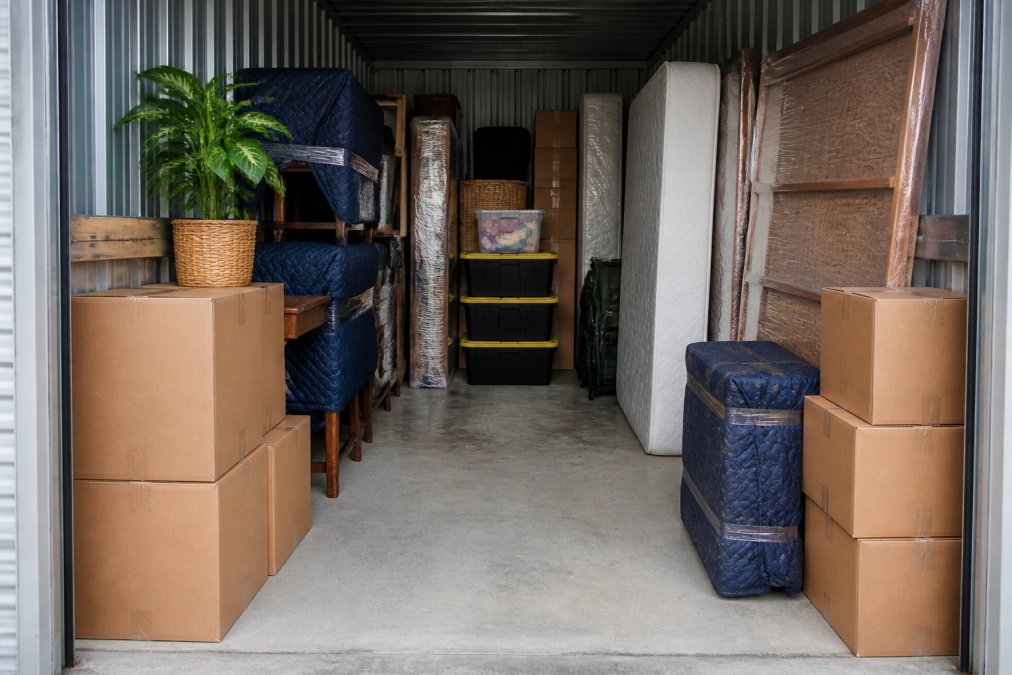
Label everything clearly. Mark boxes with their contents and the room they came from. Use a consistent system, bedroom boxes, kitchen items, seasonal goods. When you retrieve items, you’ll know exactly where to look.
Leave aisle clearance. Don’t pack items wall-to-wall. Maintain at least 60 centimetres of walking space through the middle of the unit. This prevents damage when accessing stored items and allows staff to inspect the unit if needed.
Tips for Stacking Furniture in Storage Units
Stacking furniture in storage units requires planning. Done poorly, it damages items and wastes space. Done well, it maximises capacity and protects your belongings.
Start with a solid base. Place large, sturdy pieces like bed frames, dressers, and solid tables first. These create a stable foundation for stacking. Avoid starting with soft items like sofas or cushioned chairs, they compress under weight and provide unstable bases.
Stack by weight, not by convenience. Heavier items go lower; lighter items go higher. A stack of boxes on top of a sofa will compress and damage it. A dresser on top of a sofa is dangerous and will ruin both pieces. Reverse this: sofa on bottom, boxes on top.
Use protective materials between layers. Place furniture blankets or cardboard between stacked items. This prevents scratches and allows pieces to shift slightly without damaging finishes. It also makes items easier to separate later.
Don’t exceed safe stacking heights. Most storage units have 2.4-metre ceilings. Stack to about 2 metres maximum, leaving clearance for moving items and inspecting the unit. Unstable stacks topple and cause injury.
Store chairs upside down when stacking. This protects legs and allows you to nest multiple chairs together, saving significant floor space. Upholstered chairs stack better than wooden ones, less risk of leg damage.
Utilise wall space for lean-stacking. Lean mirrors, artwork, panels, and headboards against walls. Protect them with cardboard or blankets between items. This frees floor space for heavier furniture.
Group items by retrieval frequency. Things you’ll need soon go toward the front and on top. Seasonal items and rarely accessed pieces go deeper into the unit or higher up. This prevents constant rearranging.
Avoid stacking drawers. Removed drawers should stand upright or lay flat, never stacked. Weight causes warping and makes them difficult to open later.
Using a Storage Unit Size Calculator for Your Needs
A storage unit size calculator simplifies the selection process. Rather than guessing, these tools estimate your needs based on furniture type and quantity.
Most calculators work by asking you to list items: "How many beds? How many sofas? How many boxes?" You input quantities, and the tool estimates cubic volume or recommends a unit size. A straightforward approach accounts for standard furniture dimensions and typical packing efficiency.
The logic behind a storage unit size calculator is simple. A queen bed occupies roughly 3 cubic metres when wrapped. A three-seater sofa takes about 2 cubic metres. A dining table and chairs together occupy 1.5 cubic metres. By adding these up, you get a total volume needed.
Calculators typically add 10-20% buffer space. This accounts for packing inefficiency, access aisles, and the fact that real furniture doesn’t pack like Tetris blocks. A calculator that estimates 12 cubic metres might recommend a unit with 15 cubic metres of capacity.
The limitation of calculators is that they assume standard furniture sizes. A custom-made sofa or oversized wardrobe throws off estimates. If your furniture is larger than average, add an extra 20-30% to the calculator’s recommendation.
Calculators also don’t account for climate control needs. If you’re storing valuable pieces or furniture for more than six months, you may need a larger unit with climate control rather than a smaller standard unit. The calculator tells you volume; you decide on features.
Use a calculator as a starting point, not a final answer. Measure your actual furniture, add 15-20% buffer, then cross-reference with available unit sizes. This gives you confidence in your choice.
Climate Control Considerations for Furniture Storage
Climate control affects both unit size and furniture preservation. Understanding when it matters helps you make the right choice.
Standard storage units expose furniture to temperature fluctuations and humidity. In summer, uncontrolled units heat up significantly. In winter, temperature drops. This cycling causes wood to warp, leather to crack, and upholstery to fade. Moisture encourages mould and mildew, particularly in humid climates.
Climate-controlled units maintain stable temperature and humidity year-round. They cost more, typically 30-50% more than standard units, but protect valuable furniture. For storage longer than six months, climate control is often worth the investment.
Certain furniture types absolutely need climate control. Leather pieces deteriorate rapidly in uncontrolled environments. Solid wood furniture warps with humidity changes. Antiques, pianos, and high-value items require stable conditions. If you’re storing any of these, climate control isn’t optional.
Standard units work fine for short-term storage of everyday furniture. A few months of seasonal storage or temporary overflow doesn’t require climate control. Wrapped items in a standard unit remain safe for three to six months in most climates.
Consider your storage duration. If you’re storing furniture for a renovation lasting two months, standard is adequate. If you’re downsizing permanently and storing items for years, climate control protects your investment.
Humidity control matters more than temperature in many regions. High humidity encourages mould, rust, and wood rot. If your area experiences significant seasonal humidity, climate control becomes more important even for standard furniture.
Common Mistakes to Avoid When Choosing Unit Size
Most people make predictable errors when selecting storage unit sizes. Knowing these mistakes helps you avoid them.
The biggest mistake is underestimating volume. People consistently choose units that are too small, then face the expense and hassle of upgrading mid-contract. Measure carefully and add buffer space. It’s cheaper to rent slightly larger upfront than to relocate items later.
Choosing based on floor area alone is another common error. A unit with 12 square metres sounds spacious until you realise the actual usable volume is much less when you account for ceiling height, access aisles, and the inefficiency of packing real furniture. Always think in cubic metres, not just floor area.
Forgetting about access is costly. Many people pack units so tightly they can’t retrieve items without moving everything. You need at least 60 centimetres of clear aisle space. If you plan to retrieve items during your rental, factor this in from the start.
Ignoring climate control when storing long-term is expensive in the long run. Damaged furniture often costs more to replace than climate-controlled storage would have cost. If you’re storing for more than six months, climate control usually pays for itself in furniture protection.
Stacking without planning causes damage. Crushing a sofa under heavy boxes is a preventable loss. Think through your stacking strategy before items enter the unit.
Not wrapping furniture properly leads to dust damage and scratches. Protective wrapping costs little and prevents costly repairs. It’s the cheapest insurance you can buy.
Overestimating short-term needs is less common but still happens. If you’re storing for three months, don’t rent a large unit for a year. Adjust your rental period to match your actual needs. Urban Self Storage offers flexible short-term options for exactly this reason.
Choosing the right storage unit size for furniture comes down to three steps: measure accurately, understand unit dimensions, and plan your layout. Start by documenting every piece you’re storing. Use a calculator to estimate volume, add a 15-20% buffer, and compare against available sizes. If you’re storing valuable pieces or keeping items for more than six months, climate control protects your investment.
Urban Self Storage’s flexible short- and long-term options across our Bunbury locations make it simple to find the right fit. Our modern facilities include 24/7 CCTV surveillance and easy access, so you can retrieve items whenever you need them. Book online now to secure your unit in less than 10 minutes, and take advantage of our competitive pricing with discount offers for new customers.
Frequently Asked Questions
What size storage unit do I need for a 2-bedroom house?
A 2-bedroom house typically requires a medium to large storage unit, usually 50-75 cubic metres. This accommodates bedroom furniture (two beds, dressers, wardrobes), lounge items (sofa, chairs, coffee table), dining furniture, and kitchen appliances. Measure your actual items rather than assuming, a 3-metre by 4-metre by 2.5-metre-high unit offers roughly 30 cubic metres of space. If you're storing for short-term renovation or relocation, a medium unit often suffices; for long-term storage of complete household goods, opt for larger capacity.
How do I calculate the volume of my furniture for storage?
Measure each piece's length, width, and height in centimetres, then multiply to get cubic centimetres. Convert to cubic metres by dividing by 1,000,000. Add 20-30% extra space for aisle clearance and safe stacking. For example, a sofa measuring 2.2m long, 0.9m deep, and 0.8m high occupies about 1.6 cubic metres. List all furniture pieces, calculate their volumes, and add them together. A storage unit size calculator can automate this, many facilities offer free tools on their websites to estimate your needs accurately.
Do I need a climate-controlled unit for wooden furniture?
Yes, climate-controlled storage is recommended for wooden furniture, particularly high-value pieces. Temperature and humidity fluctuations cause wood to warp, crack, and split. Standard units expose furniture to seasonal extremes, especially in warm climates where humidity varies. Climate-controlled units maintain stable temperature and moisture levels, protecting timber finishes, veneers, and structural integrity. If storing wooden dining tables, cabinets, or antique pieces long-term, climate control prevents costly damage. Short-term storage (under 3 months) in a standard unit may be acceptable for basic wooden items, but valuable or heirloom furniture warrants the added protection.
Is it better to stack furniture in a storage unit?
Strategic stacking maximises space efficiency but requires proper technique to prevent damage. Stack heavier items (dressers, tables) on the bottom and lighter pieces (chairs, lamps) on top. Never stack directly on upholstered furniture, use plywood or cardboard as a barrier. Stackable items like chairs, stools, and storage boxes save significant floor area. Leave 0.5-1 metre clearance along aisles for safe access and to reach items at the back. Vertical storage using wall space for mirrors, artwork, and smaller boxes further optimises capacity. Avoid stacking fragile items or those prone to shifting; secure tall stacks with straps to prevent collapse.
This article was written using GrandRanker