
Table of Contents
- Preparing your furniture for short-term storage
- How to pack furniture for storage in Western Australia
- Self-storage unit sizes Perth and Western Australia
- Climate control and moisture protection for WA storage
- Cost of short-term storage Western Australia
- Furniture storage insurance requirements
- Security, access, and your move-in checklist
- Conclusion
Last Updated: August 8, 2026
Preparing your furniture for short-term storage
Getting your furniture ready for short-term storage in Western Australia starts well before moving day. Most people underestimate how much preparation actually matters, they throw items into a unit and hope for the best. The reality is that a few hours of preparation can mean the difference between retrieving furniture in pristine condition and discovering damage months later.
The first step is to assess what you’re storing. Walk through your home and decide which pieces are genuinely worth storing versus what should be sold, donated, or discarded. Furniture that’s already damaged or low-value often isn’t worth the storage costs. Once you’ve decided what stays, clean everything thoroughly. Dust, dirt, and grime can become embedded over time, especially in fabric and wood grain. Use a soft cloth for wood surfaces and appropriate cleaners for upholstered items.
Disassemble larger pieces where possible. Beds, dining tables, and shelving units take up significantly less space when broken down, and you’ll reduce the risk of damage during transport and storage. Keep all hardware in clearly labelled bags taped to the corresponding furniture piece, nothing’s worse than reassembling a bed frame and discovering you’re missing bolts.
For items with moving parts or delicate surfaces, use protective coverings. Breathable furniture covers (not plastic, which traps moisture) work well for most pieces. Leather furniture needs special attention in Western Australia’s variable climate. Apply a leather conditioner before storage to prevent cracking, particularly important given Perth’s dry summers and the potential for humidity fluctuations in storage facilities.
Check the dimensions of your storage unit before moving day. Urban Self Storage offers a unit size calculator on their website to help you determine the right space for your furniture. Knowing your unit dimensions prevents the frustration of arriving with a sofa that doesn’t fit or discovering you’ve rented more space than necessary.
How to pack furniture for storage in Western Australia
Packing furniture correctly transforms a chaotic storage experience into an organised, damage-free one. The process isn’t complicated, but it does require deliberate choices about materials, stacking, and placement within your unit.
Choosing the right packing materials
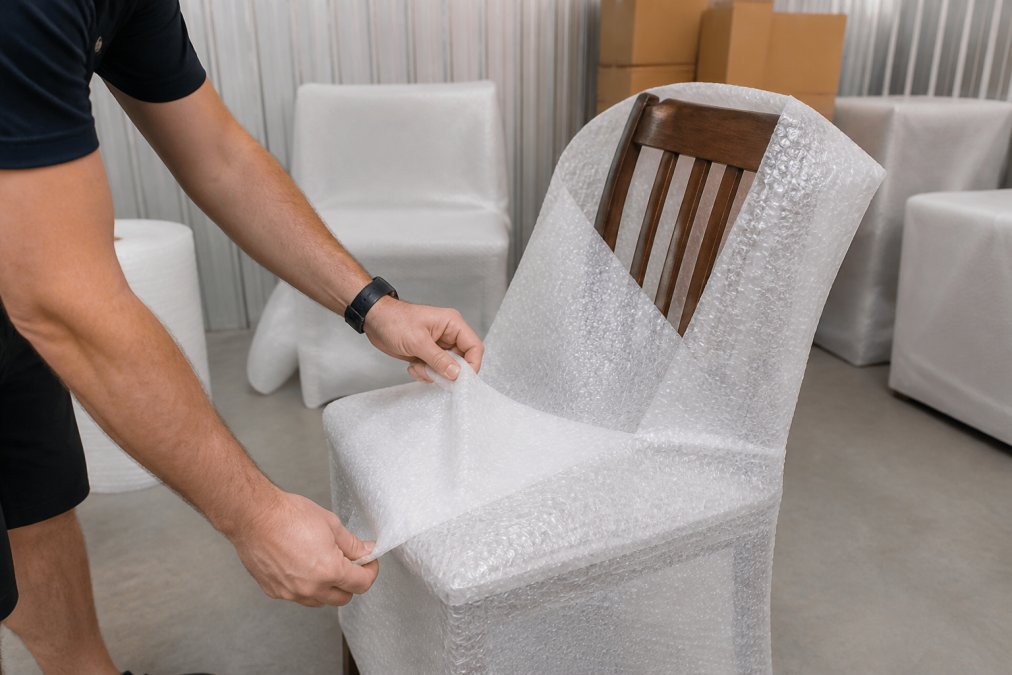
The materials you use directly impact whether your furniture emerges in the same condition it went in. Bubble wrap is essential for protecting fragile surfaces and corners. Use it generously on carved wood, glass tabletops, and any piece with protruding details. Packing paper works well for wrapping flat surfaces and filling gaps. Avoid newspaper, the ink can transfer to furniture, particularly light-coloured fabrics.
For Western Australia specifically, moisture protection matters more than in drier states. Silica gel packets or moisture-absorbing products help manage humidity inside your storage unit, but they work best when combined with breathable coverings. Plastic sheeting traps condensation and promotes mould growth; breathable furniture covers allow air circulation while protecting against dust.
Sturdy packing boxes suit smaller items: picture frames, decorative pieces, hardware, and cushions. Label every box clearly with its contents and which furniture piece it belongs to. This labelling system saves enormous amounts of time when you need to retrieve something or reassemble items months later. Consider photographing furniture before disassembly, these photos become invaluable reference guides during reassembly.
Wrapping and protecting different furniture types
Different furniture requires different protection strategies. Upholstered pieces like sofas and chairs benefit from breathable covers and extra padding around legs and armrests. Wooden furniture, especially high-quality pieces, needs bubble wrap around carved details and corners. Glass tabletops should be wrapped separately and stored vertically rather than flat, which reduces pressure on the glass and makes them easier to access.
Mattresses are surprisingly vulnerable in storage. Stand them vertically rather than laying them flat; this prevents moisture accumulation and mould growth. Use a mattress bag for additional protection. Leather furniture requires the conditioner treatment mentioned earlier, plus a breathable cover to prevent dust settling into the leather grain.
Metal furniture (bed frames, filing cabinets, shelving) is relatively hardy but benefits from corner protection and padding where pieces might touch. Mirrors and artwork should be wrapped individually in bubble wrap, then placed in boxes or stood vertically against the unit wall with padding between each piece.
The key principle across all furniture types: protect corners and edges, allow air circulation, and avoid plastic sheeting that traps moisture. Western Australia’s climate, particularly in Bunbury and Picton areas, means humidity can fluctuate seasonally, so breathable protection outperforms airtight wrapping every time.
Self-storage unit sizes Perth and Western Australia
Choosing the right unit size prevents overpaying for space you don’t need or discovering mid-storage that your furniture doesn’t fit. Urban Self Storage provides multiple unit sizes across their East Bunbury and Picton locations, and understanding what each size accommodates makes the selection straightforward.
Small units (typically 1.5m × 2m) suit single rooms of furniture: a bedroom set, office contents, or seasonal items. These units cost less but fill quickly if you’re storing a living room’s worth of pieces. Medium units (around 2m × 3m or 2.5m × 3m) handle most household relocations: a lounge suite, dining furniture, and bedroom pieces fit comfortably. Large units (3m × 4m and above) accommodate entire home contents or business inventory.
For short-term furniture storage specifically, most homeowners undergoing renovations or temporary relocations use medium units. A three-month storage period for a renovating household typically requires 2m × 3m minimum. If you’re unsure, Urban Self Storage’s team can help estimate based on a photo or description of your furniture.
Vertical stacking maximises space in any unit size. Lighter pieces go on top; heavier items form the base. Create clear pathways to the back of your unit, you’ll need access to retrieve items without unpacking everything in front. Leave small gaps between stacked pieces for air circulation, which helps prevent moisture damage and makes retrieval easier.
Climate control and moisture protection for WA storage
Western Australia’s climate presents specific challenges for furniture storage. Perth summers are hot and dry; winters bring occasional rain and humidity. This temperature and moisture variation can warp wood, damage upholstery, and promote mould growth if furniture isn’t properly protected.
Climate-controlled storage units maintain consistent temperature and humidity levels year-round. For high-value furniture, antiques, or pieces with sentimental significance, climate control is worth the investment. Standard units work fine for most household furniture if you’ve taken proper preparation steps: cleaning before storage, using breathable covers, and including moisture-absorbing products inside your unit.
Dust prevention matters as much as moisture control. Even sealed units accumulate some dust over months of storage. Breathable covers block dust while allowing air circulation. Avoid sealing furniture in plastic, which creates a microclimate where condensation accumulates and mould thrives.
Check your storage unit regularly if possible. Urban Self Storage offers flexible access hours, so visiting every four to six weeks during a three-month storage period lets you verify everything’s in good condition and adjust moisture-control products if needed. Early detection of any issues, musty smells, visible dampness, or pest signs, allows you to address them before damage becomes extensive.
Cost of short-term storage Western Australia
Storage costs in Western Australia vary based on unit size, location, storage duration, and facility features. Urban Self Storage provides competitive pricing with transparent rates, no hidden fees when you renew or access your unit more frequently.
Budget-friendly storage strategies
If you’re storing furniture for just a few months, several cost-saving approaches help minimise expenses. First, choose the smallest unit that genuinely fits your furniture. Oversizing "just in case" wastes money every month. Use the unit size calculator before committing.
Second, consider sharing a larger unit with a friend or family member also needing short-term storage. This splits the monthly cost while you each maintain your own organised section. Urban Self Storage allows this arrangement with proper documentation.
Third, time your storage strategically. Moving during off-peak seasons (autumn and winter in Perth) sometimes offers better rates than summer peak season. Ask about short-term discounts when booking; many facilities offer reduced rates for three-month rentals compared to month-to-month pricing.
Fourth, declutter ruthlessly before storing. Every item you don’t store is money saved. Sell or donate furniture you won’t need after your renovation or relocation, the storage cost for a marginal piece often exceeds its actual value.
Pricing depends on your unit size, location, and rental duration, so visit Urban Self Storage’s pricing page for current rates and to request a quote based on your specific needs.
Furniture storage insurance requirements
Storing furniture creates potential liability questions: what happens if your items are damaged, stolen, or lost? Understanding insurance requirements protects you financially.
Most standard home and contents insurance policies don’t automatically cover items in external storage. You’ll need to inform your insurer that furniture is stored off-site and potentially add a rider or separate storage policy. Some policies exclude storage entirely; others cover it under specific conditions (locked facility, security measures, declared value).
Before signing a storage agreement, ask Urban Self Storage about their liability coverage and what they cover in case of damage or theft. Most facilities carry insurance, but it typically covers only their own negligence, not general damage from environmental factors or theft. Your personal insurance fills this gap.
Document everything before storing: photograph each piece from multiple angles, note any existing damage or wear, and keep receipts or valuation documents for high-value items. This documentation becomes essential if you need to file an insurance claim later.
For business inventory or valuable furniture collections, consider a dedicated storage insurance policy. The cost is modest, often a percentage of the declared value, and provides comprehensive coverage that generic home insurance doesn’t offer.
Security, access, and your move-in checklist
A secure storage facility with convenient access transforms the storage experience. You need confidence that your furniture is protected and that you can retrieve items when needed without bureaucratic obstacles.
Urban Self Storage operates 24/7 CCTV surveillance at both Bunbury locations, providing continuous monitoring and recorded footage if issues arise. Advanced security features, gated access, individual unit locks, and monitored entry points, mean your furniture stays protected around the clock. The quick move-in process (less than 10 minutes) gets you stored and settled without lengthy paperwork delays.
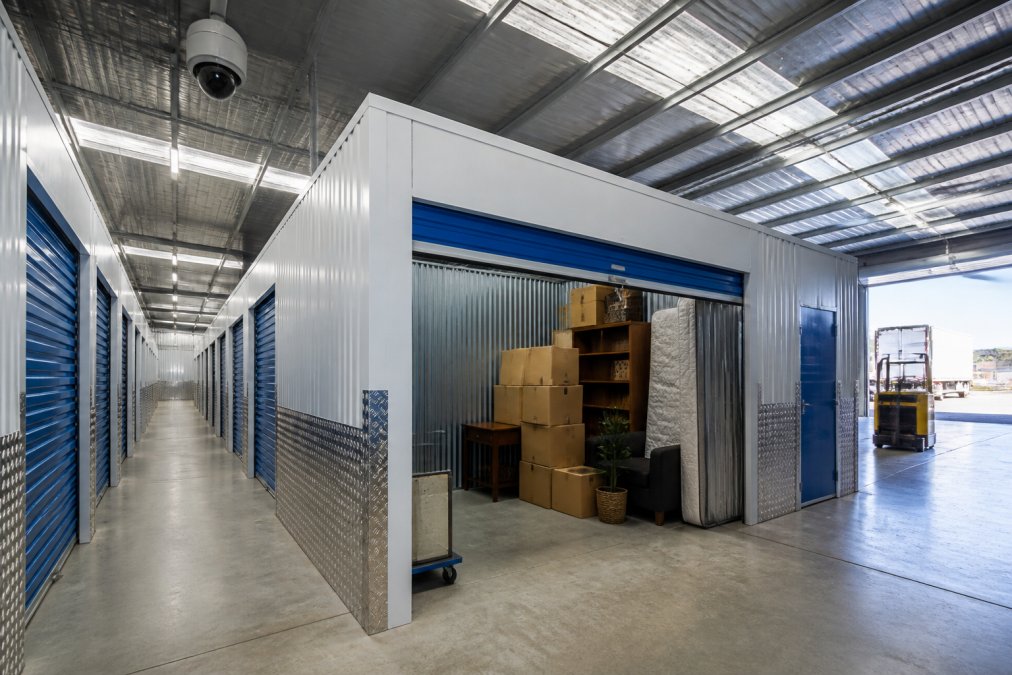
Access hours matter for short-term storage. If you’re renovating and need to retrieve items periodically, a facility with flexible access prevents frustration. Urban Self Storage provides convenient access during business hours and emergency access arrangements if needed. Confirm access policies before committing, some facilities restrict access to specific hours, which becomes problematic if you need something outside those windows.
Your move-in checklist should include:
- Confirm unit dimensions and take photos of empty space
- Verify all furniture is clean and dry before entering the unit
- Apply breathable covers to all major pieces
- Place moisture-absorbing products throughout the unit
- Stack items strategically: heavy items base, lighter items on top
- Leave clear pathways to the back of your unit
- Document everything with photos and a detailed inventory list
- Confirm insurance coverage is in place before move-in day
- Obtain written confirmation of your rental agreement and pricing
- Ask about the facility’s security measures and access procedures
- Schedule a follow-up visit within two weeks to verify everything’s secure
This checklist prevents oversights that create problems later. A furniture storage tips approach centred on preparation and documentation means you’ll retrieve your items in the same condition they went in.
Short-term furniture storage in Western Australia doesn’t have to be stressful or expensive. The difference between a smooth experience and a frustrating one comes down to preparation, proper packing, and choosing a facility that prioritises security and customer convenience. Urban Self Storage’s two Bunbury area locations offer the secure, flexible solutions that homeowners and businesses need for temporary furniture storage. With 24/7 CCTV surveillance, convenient access, and a quick move-in process, you can store your furniture with confidence. Book online now and get your items secured in less than 10 minutes.
Frequently Asked Questions
What are the most common mistakes when storing furniture in Western Australia?
The biggest mistakes are skipping climate control in WA's humid conditions, using non-breathable plastic covers that trap moisture, and overpacking units without proper inventory labeling. Many people also fail to prepare furniture properly before storage, not cleaning surfaces, leaving items damp, or storing flat-pack furniture without protecting edges. Protect your investment by using breathable covers, maintaining proper airflow inside your unit, and keeping detailed records of what you've stored.
How can I store furniture cheaply in Perth and Western Australia?
Choose a unit size that matches your actual needs, use a size calculator to avoid paying for unused space. Book short-term rentals on flexible month-to-month agreements rather than longer contracts. Store items vertically to maximise space, and combine furniture storage with friends or family to split costs. Ask about first-month discounts and loyalty offers. Avoid climate-controlled units for non-sensitive items like metal or plastic furniture, but use them for wood, upholstery, and electronics vulnerable to WA's moisture.
What is the best material to wrap furniture in for storage in Western Australia?
Breathable covers and cotton blankets are ideal for furniture storage in WA because they allow air circulation and prevent moisture buildup, a critical concern in humid climates. Avoid non-breathable plastic wrap, which traps condensation and can damage wood and upholstery. Use bubble wrap for fragile items and sharp edges, but wrap it in breathable material first. For wooden furniture, consider furniture pads or moving blankets. Always ensure wrapped items have air gaps to prevent dust accumulation and moisture damage during storage.
Do I need insurance for short-term furniture storage?
Yes, furniture storage insurance is highly recommended in Western Australia. Check whether your home and contents insurance covers items in self-storage, many policies do not, or cover only partial value. Specialist storage insurance or a rider to your existing policy is often affordable and protects against theft, damage, and environmental hazards. Urban Self Storage facilities feature 24/7 CCTV surveillance and secure warehouse conditions, but insurance provides additional peace of mind for valuable pieces, antiques, or business inventory during temporary removal.
This article was written using GrandRanker