
Table of Contents
- Why Modern Storage Facilities Matter
- Self Storage Security Features That Protect Your Belongings
- Benefits of Climate Controlled Storage for Your Items
- How to Choose the Right Storage Unit Size
- Digital Management and 24/7 Access Convenience
- Flexible Lease Terms for Every Situation
- Modern Storage vs. Traditional Options
- Conclusion
Last Updated: August 15, 2026
Why Modern Storage Facilities Matter
Modern storage facilities combine advanced security systems, climate control, and digital access into integrated solutions that protect your belongings while offering genuine convenience. Whether you’re downsizing, renovating, relocating, or managing business inventory, the difference between a basic unit and a modern storage facility can mean the difference between peace of mind and constant worry about your stored items.
According to [Self Storage(/top-10-security-features-every-storage-facility-should-have/) Association Australia | selfstorage.org.au], the self-storage industry now prioritises technological integration and environmental standards that were unheard of a decade ago. At Urban Self Storage, we’ve built our operations around this principle: modern storage shouldn’t require compromise. Our facilities across Western Australia combine 24/7 CCTV surveillance, flexible lease terms, and multi-size units designed for everything from household furniture to commercial equipment and vehicle storage.
Self Storage Security Features That Protect Your Belongings
The foundation of any modern storage facility is security. Today’s self storage security features combine physical barriers, surveillance technology, and access controls that work together to create multiple layers of protection.
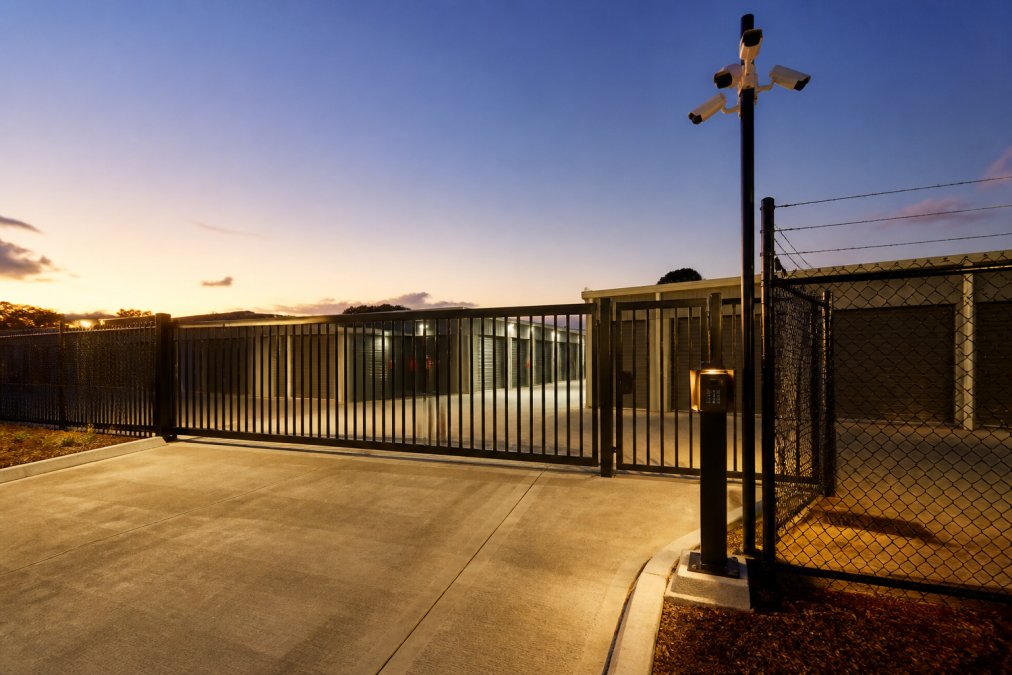
24/7 CCTV surveillance is now standard in reputable facilities. Modern systems integrate real-time monitoring with high-definition recording, detecting incidents as they happen rather than days later. Cameras cover entry points, main corridors, and perimeter areas.
Gated access and pin-coded entry systems create the first checkpoint, preventing casual theft and creating an audit trail of who accessed the property and when. Some facilities offer smartphone-controlled access, allowing entry via mobile device without physical codes.
Secure perimeter fencing and lighting deter opportunistic theft. Well-lit facilities are less attractive to thieves, while proper fencing prevents unauthorised access from the street.
On-site management and regular facility maintenance signal that the facility is actively monitored. A facility with active staff presence is significantly safer than an unmanned one.
The key distinction between basic and modern security is integration. Modern security works at multiple levels: perimeter security prevents unauthorised access, surveillance deters and records criminal activity, access controls log entries, and on-site presence maintains constant vigilance.
Ask any facility about their surveillance response protocol. How quickly do they review footage if an incident occurs? Do they have staff monitoring cameras in real-time, or is it purely recorded? The answer reveals whether security is a genuine priority or just a marketing claim.
Benefits of Climate Controlled Storage for Your Items
Climate control is one of the most misunderstood features of modern storage facilities. The benefits extend to furniture, electronics, documents, business inventory, and vehicles, not just fine art and antiques.
Temperature fluctuations cause genuine damage. Wood expands and contracts with humidity changes, leading to warping and cracking. Leather absorbs moisture and deteriorates. Electronics suffer component failure. Paper documents yellow and become brittle. Most valuable items perform best at humidity levels between 30 and 50 percent, a range that climate-controlled facilities maintain year-round. Standard non-climate-controlled units in Western Australia can swing from 15 percent humidity in summer to 80 percent in winter, accelerating deterioration.
The mathematics are clear: a dining suite damaged by humidity might cost £2,000 to replace, while a year of climate-controlled storage costs a fraction of that. For business inventory, damaged stock becomes unsellable, directly impacting your bottom line.
Modern facilities use HVAC systems that regulate both temperature and humidity automatically. This is particularly important for long-term storage, where consistency matters more than absolute temperature.
Climate control becomes essential the moment you’re storing anything irreplaceable or valuable. If you wouldn’t leave it in an unheated garage during winter or an uninsulated shed during summer, it probably needs climate control in storage.
How to Choose the Right Storage Unit Size
Choosing the wrong unit size is one of the most common mistakes people make. Too small, and your items don’t fit properly. Too large, and you’re paying for capacity you don’t need.
The first step is honest assessment. Measure your furniture and large items rather than estimating from memory. A standard sofa is typically 80-100 centimetres deep and 180-220 centimetres wide. A queen bed frame takes up roughly 160 centimetres by 200 centimetres of floor space.
Unit sizing standards help guide the decision:
- 5 x 5 unit (25 square metres): Suitable for small household items, office equipment, or seasonal storage.
- 10 x 10 unit (100 square metres): Accommodates furniture from a one-bedroom flat or small business inventory.
- 10 x 20 unit (200 square metres): Handles furniture from a two-bedroom home or larger business stock.
- Larger units (20 x 20 and above): Commercial applications, fleet storage, or complete household contents.
The second factor is how you’ll arrange items. Vertical stacking maximises space, but only if you can safely access what you need. If you’re retrieving items during the rental period, you need accessible pathways and logical organisation.
Underestimating size is more common than overestimating. Most people assume their belongings take up less space than they actually do. When in doubt, [choose the](/how-to-choose-storage-unit-size-for-furniture/) larger unit.
| Unit Size | Best For | Typical Contents | Access Frequency |
|---|---|---|---|
| 5 x 5 | Seasonal items, small household goods | Boxes, small furniture, office supplies | Occasional |
| 10 x 10 | One-bedroom contents, small business inventory | Bedroom/lounge furniture, tools, stock | Regular |
| 10 x 20 | Two-bedroom contents, vehicles, larger inventory | Full household, caravan, boat, commercial stock | Variable |
| 20 x 20+ | Complete household, fleet, major commercial | Entire home contents, multiple vehicles, large inventory | Frequent or ongoing |
Digital Management and 24/7 Access Convenience
Digital management has fundamentally changed what modern storage facilities offer. You’re no longer bound by office hours or manual booking systems. Digital platforms let you manage your storage unit from your phone, access your unit whenever you need, and handle administrative tasks without visiting the facility.
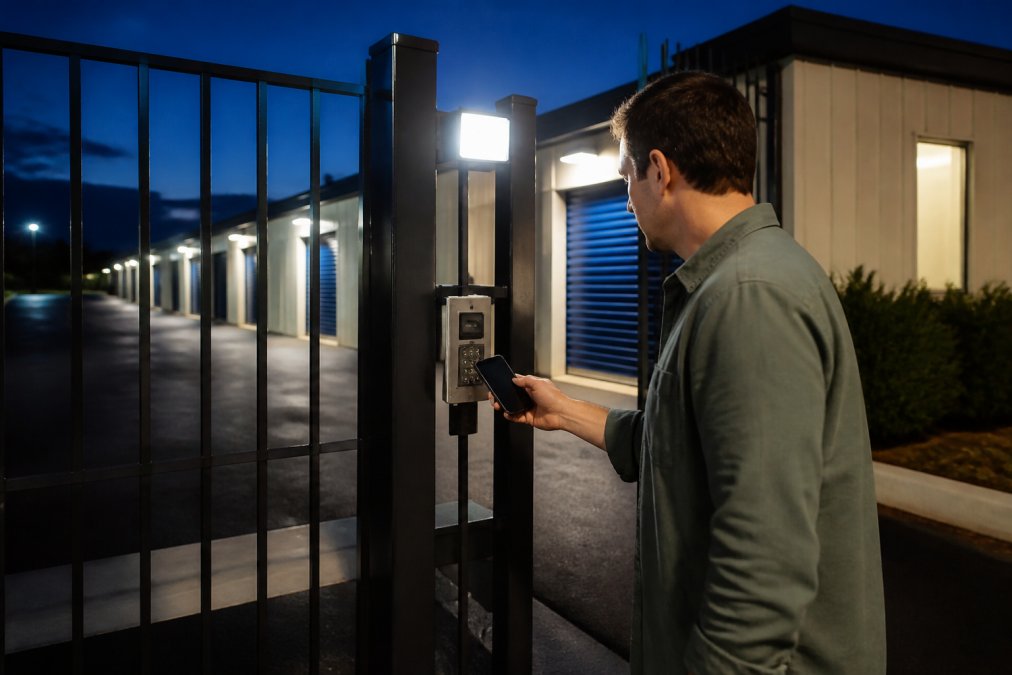
24/7 access means you can retrieve items at midnight or 6 a.m. without waiting for staff. This is invaluable for businesses operating outside standard hours, tradies working early starts, and anyone needing emergency access to stored items.
Mobile app integration handles administrative tasks. You can view your lease, pay invoices, request maintenance, and communicate with facility staff directly through your phone, eliminating the need for calls, emails, or in-person visits.
Automated gate access using PIN codes or smartphone controls provides seamless, secure entry without staff intervention.
Digital inventory tracking helps you remember what you’ve stored and where. Some facilities let you photograph items as you store them, creating a visual inventory accessible from your phone, useful for insurance purposes and locating items months later.
When evaluating digital management features, check whether the system is intuitive on mobile. The best systems feel natural, like unlocking your phone, not navigating a complicated interface.
Flexible Lease Terms for Every Situation
Traditional storage contracts locked you in for 12 months or longer. Modern storage facilities recognise that real life doesn’t follow annual timelines. Someone renovating their home needs storage for three months, not a year. A business managing seasonal inventory needs flexibility month to month.
Flexible lease terms mean you can rent for exactly the duration you need without penalty. Month-to-month agreements let you extend or exit based on your actual circumstances. Some facilities offer no lock-in contracts at all.
Short-term storage (one to three months) suits renovation projects, temporary relocations, and seasonal decluttering. You pay only for the time you actually need storage.
Long-term storage (six months to multiple years) works for ongoing situations: business inventory that fluctuates seasonally, recreational vehicles used part of the year, or furniture from a property you’re gradually selling.
Flexible renewal options prevent surprise commitments. Rather than auto-renewing into another 12-month contract, modern facilities let you choose whether to continue, extend for a shorter period, or exit completely.
Some facilities offer discounts for longer commitments, which makes sense if you know you’ll need storage for a year. But if you’re uncertain, the flexibility to month-to-month rental is worth the slightly higher rate.
Modern Storage vs. Traditional Options
The contrast between modern and traditional storage facilities reveals why the shift matters. Traditional facilities prioritised low cost and basic security. Modern facilities recognise that customers value protection, convenience, and reliability more than rock-bottom pricing.
Traditional storage typically offered:
- Basic padlock security on individual units
- Limited or no surveillance
- Minimal climate control
- Fixed office hours for access
- Manual payment and administrative processes
- One-size-fits-all unit options
- Long-term contracts with penalties for early exit
Modern storage facilities provide:
- Integrated security with CCTV, gated access, and on-site management
- Climate control maintaining consistent temperature and humidity
- 24/7 digital access via mobile apps or PIN codes
- Automated payment and digital communication
- Multiple unit sizes and flexible configurations
- Month-to-month lease options without lock-in penalties
- Additional amenities like drive-up access and loading docks
The cost difference is often smaller than expected. Modern facilities charge more than the cheapest traditional option, but when you factor in climate control (protecting items from damage), 24/7 access (eliminating wasted trips), and flexible terms (paying only for storage you need), the total cost of ownership often favours modern facilities.
Consider storing furniture during a three-month renovation. A traditional facility might charge £50 per month with a three-month minimum (£150 total). A modern facility might charge £65 per month with no lock-in. If your renovation runs four months, you’re not penalised with the modern option, you simply pay for the extra month. With traditional terms, you’d either lose your deposit or be forced into a longer contract.
Modern storage isn’t always more expensive, it’s differently priced. You’re paying for features that reduce hassle and protect your belongings.
Conclusion
Choosing modern storage facilities means prioritising protection, convenience, and flexibility over bare-minimum pricing. Advanced security features protect your belongings from theft and damage. Climate control preserves furniture, electronics, and business inventory. Digital management lets you access your unit 24/7 without coordinating with staff. Flexible lease terms mean you pay only for the storage you actually need.
Urban Self Storage delivers these benefits across Western Australia with two convenient Bunbury area locations and a commitment to modern facility standards. Our 24/7 CCTV surveillance, flexible short and long-term options, and multi-size units accommodate everyone from homeowners managing renovations to businesses optimising inventory storage. The quick move-in process, less than 10 minutes, gets you storing your belongings immediately.
Frequently Asked Questions
What security features should I look for in a modern storage facility?
Modern storage facilities offer multiple layers of protection: 24/7 CCTV surveillance with recorded footage, gated access with biometric or pin-coded entry systems, on-site management, well-lit perimeters, and regular pest prevention. When evaluating a facility, ask about monitoring protocols, whether cameras are actively monitored or simply recorded. Request to see the access control system and understand how staff respond to security alerts. The best facilities combine physical barriers with digital accountability.
Is climate controlled storage necessary for household items?
Climate control protects items sensitive to temperature and humidity fluctuations, such as furniture, electronics, artwork, documents, and musical instruments. Uncontrolled storage can cause wood to warp, electronics to malfunction, and fabrics to deteriorate. If you're storing valuable or sentimental items long-term, climate-controlled units maintain stable temperature and humidity levels, typically below 50% humidity. For short-term storage of hardy items like tools or seasonal equipment, standard units may suffice. Consider your specific items and storage duration when deciding.
How do I know what size storage unit I actually need?
Start by cataloguing what you're storing and measuring larger items like furniture. A small unit (approximately 2m x 2m) suits single rooms of belongings; medium units (3m x 3m) work for one-bedroom home contents; large units (4m x 6m) accommodate two-bedroom homes or business inventory. Most modern facilities offer multiple sizes and staff can advise based on your needs. Visit the facility to see units in person, seeing the space helps you visualise whether items will fit comfortably. Avoid overpacking, which makes retrieval difficult and can damage contents.
What makes modern storage facilities different from traditional storage options?
Modern facilities prioritise convenience and transparency through smartphone-controlled access, online booking systems, and digital inventory management. They offer flexible lease terms without long-term lock-in contracts, transparent pricing with no hidden fees, and amenities like drive-up access and loading docks. Climate control and advanced surveillance are now standard rather than premium add-ons. Sustainability features like solar-powered operations are becoming common. Traditional storage often involved paper-based processes, restricted access hours, and limited transparency, modern facilities eliminate these friction points.
Ready to experience storage that adapts to your needs? Book Online Now with Urban Self Storage and discover why thousands of Western Australian customers trust us with their belongings. Our competitive pricing, flexible terms, and modern facilities mean you’re not compromising on security or convenience.
This article was written using GrandRanker