
Table of Contents
- Advanced Security Systems
- Secure Self Storage Features You Actually Need
- How to Choose a Storage Unit Size for Your Needs
- Climate Controlled Storage Benefits
- Flexible Access and Operating Hours
- Online Booking and Account Management
- Pricing Transparency and Hidden Costs to Avoid
- Conclusion
Last Updated: August 20, 2026
When you’re evaluating a storage facility, security and convenience matter equally. The best storage facility features 2026 should give you peace of mind about your belongings while making access straightforward. This guide from Urban Self Storage covers what actually separates a secure, modern facility from one that’s simply adequate.
Most storage decisions come down to a handful of critical factors: how well your items are protected, whether you can access them when you need them, and whether the pricing is transparent. We’ve analysed what matters most to residential and business customers across our locations, and the features that genuinely impact your experience fall into distinct categories. Below, we’ll show you exactly how to evaluate each one so you can choose a facility that matches your specific needs.
Advanced Security Systems
The foundation of any quality storage facility is active security monitoring, not just cameras that record footage nobody watches. A proper security system combines multiple layers: perimeter barriers, video surveillance, access control, and on-site presence.
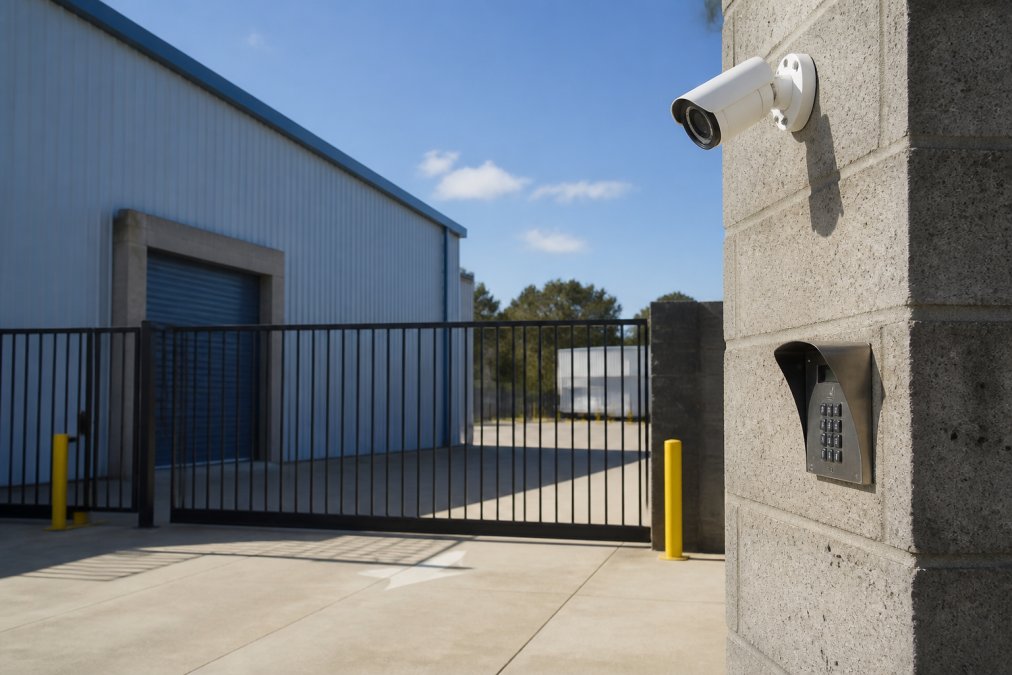
Look for 24/7 CCTV surveillance that covers entry points, main corridors, and vehicle access areas. The critical question isn’t whether cameras exist, it’s whether someone is actively monitoring them. Some facilities record footage but only review it after an incident. Urban Self Storage operates continuous monitoring across all locations, which means suspicious activity triggers immediate response rather than post-incident investigation.
Electronic gate access with unique PIN codes prevents unauthorised entry far more effectively than traditional locks. Each customer gets an individual code, creating an audit trail of who accessed the facility and when. This matters because it means the facility can identify exactly who was on-site at any given time, which deters theft and provides clarity if anything goes wrong.
Unit-level alarms add another layer. When someone opens a storage unit without the correct access method, an alarm sounds immediately. This isn’t foolproof, but it does mean that casual break-ins face immediate detection. Combined with video coverage, it makes your unit a poor target compared to facilities without these systems.
Ask prospective facilities directly: How is your CCTV monitored? Who reviews alerts? What’s the response time? Facilities that answer vaguely are probably not monitoring actively. Urban Self Storage’s approach includes real-time alert systems and documented response protocols, which you can verify during a facility tour.
Secure Self Storage Features You Actually Need
Secure self storage features start with the basics, solid construction, proper lighting, and cleanliness, but they extend into systems that prevent unauthorised access and protect against environmental damage. The features you actually need depend on what you’re storing, but some apply universally.
Drive-up access matters more than most people realise. If you’re storing furniture, business equipment, or large items, you need to pull your vehicle directly to your unit. This eliminates the frustration of unloading a truck at the facility entrance then hand-carrying everything to a distant storage space. It also speeds up the process significantly. Urban Self Storage’s Bunbury locations feature drive-up access with high roller doors (minimum 2.4 metres), which accommodates vehicles, caravans, and large equipment without forcing you to disassemble anything.
Flexible access hours determine whether you can actually use your storage when you need it. Some facilities lock gates at 6 pm, which creates real problems if you work standard hours and need evening or weekend access. Twenty-four-hour access doesn’t mean you’re accessing your unit constantly, it means the option exists when you need it. For tradespeople, contractors, and small business owners, this difference is substantial.
Climate control protects against temperature and humidity fluctuations that damage furniture, electronics, documents, and artwork. Standard units experience seasonal swings that can warp wood, cause condensation, and degrade sensitive items. Climate-controlled units maintain stable conditions year-round. This is essential if you’re storing anything valuable or delicate for more than a few months.
On-site management support means there’s a real person you can contact if something goes wrong. Facilities with automated systems and no staff present create problems when you need immediate assistance, a gate malfunction, a lost access code, or a concern about your unit.

Before committing to any facility, ask about their maintenance schedule. Clean facilities indicate active management. Visit during evening or weekend hours to see how well-lit and maintained the premises are when staff aren’t actively present.
How to Choose a Storage Unit Size for Your Needs
Choosing the wrong size wastes money if you go too large, or forces you to pay for additional units if you go too small. The right approach is to measure what you’re actually storing, not estimate.
Start by listing everything that will go into storage. For household items, this might include furniture dimensions, box counts, and appliance sizes. For business inventory, you need exact dimensions of your stock and equipment. For vehicles like caravans or boats, you need length, width, and height measurements. Most undersizing happens because people forget seasonal items or underestimate how much space a sofa actually occupies.
Use a simple formula: measure each item’s footprint (length × width), then multiply by height. Add 15-20% for access space and arrangement inefficiency. A standard bedroom set, bed frame, dresser, nightstands, and boxes of bedding, occupies roughly 8-10 square metres when properly arranged. A car takes approximately 12 square metres. A caravan requires its full length plus width, with clearance for the hitch.
Urban Self Storage offers a range from small lockers to large units up to 95+ square metres, which accommodates everything from short-term household storage to long-term business inventory. The facility staff can help you calculate the right size during your initial consultation, which takes most of the guesswork out of the decision.
| Storage Need | Typical Size | Best For |
|---|---|---|
| Seasonal items or small household goods | 5-10 sqm | Temporary storage, single rooms |
| Full household furniture | 15-25 sqm | House moves, renovations, downsizing |
| Business inventory or equipment | 20-50 sqm | Small retail, contractors, e-commerce |
| Vehicles (caravan, boat, large equipment) | 25-95+ sqm | Recreational vehicles, commercial fleet |
One common mistake is choosing a unit based on what you think you might store in the future. Store for what you have now. If you need additional space later, most facilities allow you to upgrade to a larger unit without penalty.
Climate Controlled Storage Benefits
Temperature and humidity fluctuations cause damage that isn’t always visible immediately. Wood warps gradually. Electronics develop condensation inside components. Documents become brittle. Artwork fades. These processes accelerate in standard units that experience seasonal extremes.
Climate-controlled storage maintains stable temperature and humidity year-round, typically between 15-25°C and below 50% humidity. This prevents the freeze-thaw cycles that crack leather, the moisture absorption that swells particle board, and the temperature swings that degrade electronics.
If you’re storing any of these, climate control is essential: furniture, electronics, artwork, documents, vinyl records, photographs, musical instruments, antiques, or business inventory sensitive to environmental conditions. The cost difference, usually 30-50% more than standard units, is justified if you’re storing items worth thousands of pounds.
For standard household items like tools, seasonal decorations, or non-sensitive business stock, climate control is optional. But if you’re storing anything valuable or delicate, it’s not an optional upgrade, it’s insurance against damage that would cost far more to replace.
Climate-controlled units are most critical for storage periods exceeding three months. Short-term storage of hardy items (tools, boxes, non-sensitive equipment) works fine in standard units. Anything valuable or temperature-sensitive should go into climate control.
::: storing seasonal clothes.
Flexible Access and Operating Hours
Your access needs vary depending on what you’re storing. A business storing excess inventory needs frequent access during business hours. A homeowner in renovation might access their unit weekly. Someone storing seasonal items might not need access for months.
Facilities that lock gates at fixed times create friction. You finish work at 6 pm, the gate closes at 5 pm, now you can’t access your unit until the weekend. This becomes a real problem if you need something urgently or prefer working outside standard hours.
Twenty-four-hour access removes these constraints. You access your unit at 11 pm if that’s when you have time, or on Sunday morning before other commitments. For contractors and tradespeople who work irregular hours, this flexibility is essential. Urban Self Storage provides 24/7 access at its locations, which means you’re not constrained by facility operating hours.
Electronic access with PIN codes means you don’t need to collect a key or arrange with staff. You enter your unique code at the gate, the gate opens, and you access your unit directly. This also means the facility maintains a digital record of when you accessed your storage, which adds a security layer, the facility knows exactly who was on-site and when.
Some facilities offer limited-hours access at lower prices. This works if your access pattern aligns with their schedule. But if you need flexibility, the premium for 24/7 access pays for itself in convenience and reduced frustration.
Online Booking and Account Management
Modern storage facilities offer online account management so you can handle administrative tasks without visiting the facility or calling during business hours. This includes renewing your lease, updating payment information, requesting maintenance, and accessing your account history.
A good online system should let you renew your lease in under five minutes without surprising fees or requiring a phone call. You should see your current rent, any promotional discounts, and what happens when your lease expires. Transparency matters, hidden renewal fees or surprise price increases create frustration and erode trust.
Mobile access is increasingly standard. Some facilities offer apps that let you manage your account, request support, or even unlock your unit from your phone. This convenience matters if you’re managing storage across multiple locations or need to make changes while away from home.
The ease of move-in also reflects how well a facility has optimised its systems. Urban Self Storage completes the move-in process in less than 10 minutes, which is possible because their system is simplified and their staff are trained to handle it efficiently. Compare this to facilities where move-in takes an hour because of paperwork and manual processes.
Ask prospective facilities: Can I renew my lease online? Can I view my account and payment history? Is there a mobile app? What’s the typical move-in time? Facilities with smooth online systems tend to have better overall operations.
Pricing Transparency and Hidden Costs to Avoid
Transparent pricing means you see the full cost upfront, with no surprise fees when you renew or access your unit frequently. Many facilities advertise a low monthly rate, then add fees for things you wouldn’t expect: gate access fees, insurance requirements, moving supply surcharges, or price increases at renewal.
Ask these specific questions before committing:
What’s included in the quoted price? Some facilities quote a base rate, then charge separately for climate control, drive-up access, or premium locations. Confirm whether the price you’re quoted includes everything you need.
Are there access fees? Some facilities charge per visit or per gate opening. This creates perverse incentives, you avoid accessing your own storage to save money. Urban Self Storage charges no per-access fees, so you can visit your unit as often as needed without additional cost.
What happens at renewal? Some facilities lock you into a low introductory rate, then raise the price significantly at renewal. Ask what the typical renewal price looks like. Is there a discount for long-term customers? What notice period applies before a price change?
Are there hidden insurance or facility fees? Some facilities require you to purchase their insurance or charge facility maintenance fees separate from rent. Confirm exactly what’s included and what’s additional.
What’s the cancellation policy? Can you end your lease early without penalty? Some facilities lock you into 12-month terms with early termination fees. Short-term flexibility costs more, but it’s worth paying if you need it.
Urban Self Storage offers competitive pricing with transparent terms. Current promotional pricing includes 50% off the first month’s rental, which reflects genuine competitive positioning rather than a bait-and-switch. Confirm the full details of any promotion before signing.
:::warning
Price comparison requires looking at total cost, not just the advertised monthly rate. A facility quoting $50/month with $20 in hidden fees costs more than one quoting $65/month with no additional charges. Get the full breakdown before deciding.
Conclusion
The best storage facility features 2026 combine security, accessibility, and transparent pricing into a system that actually serves your needs rather than creating frustration. The features that matter most depend on what you’re storing and how often you need access, but active security monitoring, flexible hours, and clear pricing apply universally.
Urban Self Storage delivers on these fundamentals across its Bunbury locations. Advanced 24/7 CCTV surveillance, flexible short- and long-term options, drive-up access, and a simplified move-in process under 10 minutes address the most common pain points customers face. Whether you’re a homeowner renovating your house, a business managing seasonal inventory, or a tradesperson needing secure equipment storage, the combination of security and accessibility matters more than any single feature.
Frequently Asked Questions
What security features should a modern storage facility have?
Modern storage facility features must include 24/7 CCTV surveillance with active monitoring, individual PIN code or keycard access to prevent unauthorised entry, perimeter security fencing, and automated gates. Unit-level alarms provide an extra layer of protection. Look for facilities where security monitoring is genuinely active, ask whether footage is reviewed and stored, and request proof that access logs are maintained. These features work together to protect your belongings and provide accountability.
How do I determine the right storage unit size for my needs?
Start by measuring your largest items, furniture, appliances, or equipment, and list everything you plan to store. A 5-10 square metre unit suits small household items or seasonal goods. For furniture from a bedroom or office, expect 15-25 square metres. Business inventory or multiple rooms of household goods typically requires 30-50 square metres or larger. Many facilities offer viewing before you commit. Consider future access: you'll need room to move around inside the unit, not just stack items floor to ceiling. Urban Self Storage provides a variety of unit sizes, so you can scale up or down as your needs change.
Is climate control necessary for self-storage in 2026?
Climate control becomes essential if you're storing temperature-sensitive items: artwork, antiques, electronics, wine, musical instruments, or furniture veneers. Standard units expose belongings to temperature swings and humidity fluctuations that can cause warping, mould, and corrosion. Climate-controlled storage maintains stable temperature and humidity year-round, protecting delicate items from damage. For basic household goods or short-term storage of non-sensitive items, standard units are adequate. However, if you're storing anything valuable or prone to moisture damage, the protection is worth the investment.
What should I look for in a professional storage contract?
Review the lease term carefully, ensure it matches your actual timeline without locking you into unnecessary months. Check for hidden fees: administration charges, access fees, late payment penalties, and renewal surcharges. Confirm access hours and whether 24/7 access costs extra. Understand the facility's liability limits and what your belongings are (and aren't) covered for. Verify insurance requirements and whether the facility's insurance covers your items or if you must arrange separate cover. Ask about cancellation terms and whether you can downsize your unit without penalty. Urban Self Storage offers flexible short- and long-term options with transparent pricing, confirm all terms before signing.
What are the benefits of 24/7 access in self-storage?
24/7 access allows you to retrieve items whenever needed without waiting for office hours. This is critical for tradespeople and contractors accessing tools during early starts or late jobs, and for businesses managing inventory outside standard hours. Families downsizing or renovating benefit from flexible access to furniture and household goods. The convenience eliminates scheduling frustration and works around your life, not the other way around. However, verify that 24/7 access is genuinely available at your facility and isn't restricted by appointment booking systems that negate the benefit.
If you’re evaluating storage facilities, the right choice depends on matching facility features to your actual needs rather than choosing the lowest advertised price. Urban Self Storage’s combination of advanced security systems, flexible access, and transparent pricing makes it the practical choice for most residential and business customers. Book online now to see available unit sizes, confirm current pricing, and complete your move-in in under 10 minutes.
This article was written using GrandRanker