
Table of Contents
- StoreLocal vs Independent Storage: The Core Difference
- Self Storage Price Comparison: Chain Promotions vs Ongoing Rates
- Security and Surveillance: What Self Storage Security Standards Australia Actually Require
- Access, Technology, and Convenience
- How to Avoid Hidden Storage Fees and Lock-In Traps
- Negotiating Self Storage Rates and Contract Terms
- Which Option Suits Your Storage Needs?
- Frequently Asked Questions
Last Updated: October 3, 2026
StoreLocal vs Independent Storage: The Core Difference
Chains suit convenience and tech. Independents suit personal service and flexibility. The choice between StoreLocal vs independent storage depends on what matters most to your situation: advanced technology and standardised processes, or negotiable terms and local knowledge.
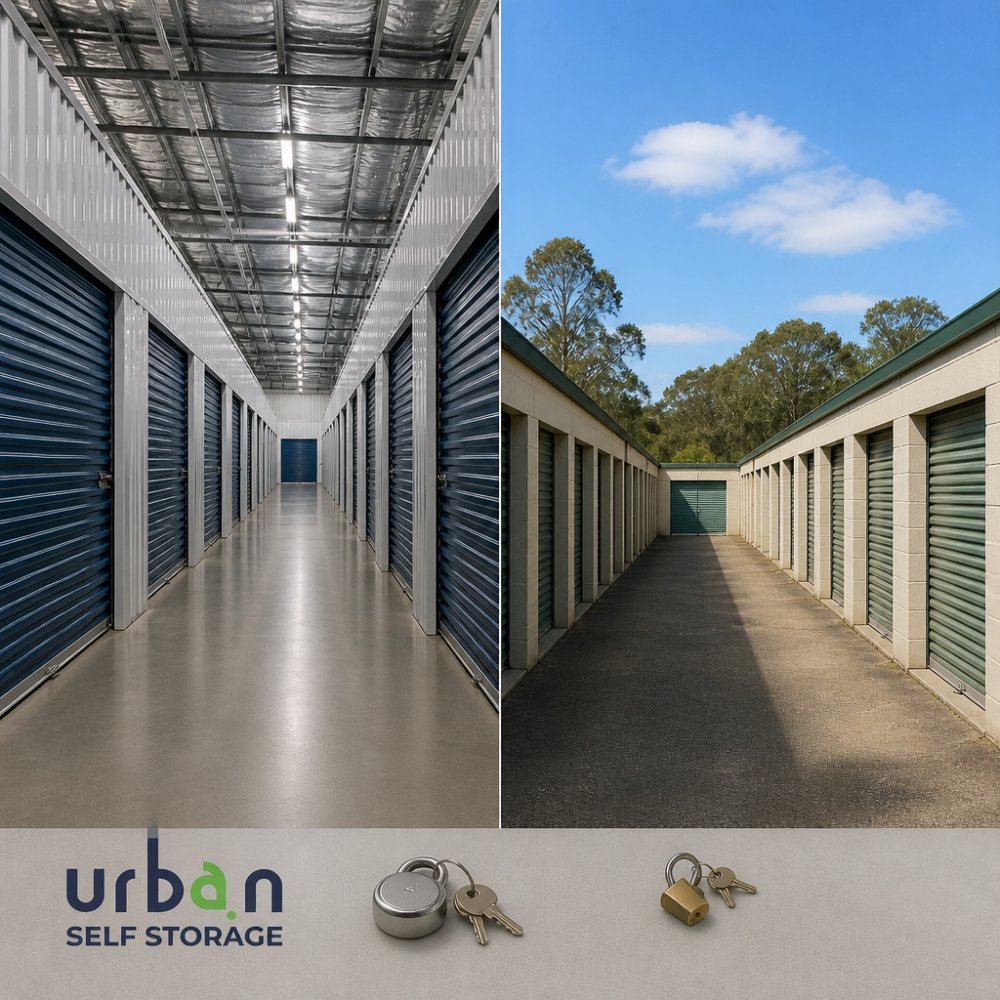
StoreLocal operates across Queensland, New South Wales, and Western Australia with sites in Brisbane, Gold Coast, Sunshine Coast, and South West WA. They offer online booking, contactless move-ins, app-based access, and 24-hour availability at many locations. Independent facilities, like Urban Self Storage in the Bunbury area, typically feature flexible month-to-month contracts, and personalised service.
The real tension isn’t which is “better.” It’s which fits your actual needs. A business needing 24/7 access and seamless digital integration will find national chains valuable. Someone storing renovations for three months might prefer an independent operator who’ll negotiate rates and skip the paperwork.
Below, we’ll compare pricing structures, security standards, access convenience, and hidden fees so you can make an informed decision.
Self Storage Price Comparison: Chain Promotions vs Ongoing Rates
National chains attract customers with aggressive first-month discounts. StoreLocal advertises 50% off promotions and sometimes offers complimentary move-in trucks at select sites. This headline pricing is compelling, until the promotion ends.
The real cost emerges in month two. Promotional rates (often 50% off the standard price) revert to full pricing, sometimes with automatic rate increases built into the contract. Independent facilities typically quote a single rate upfront, though they may offer modest discounts for longer commitments or multiple units.
When comparing self storage price comparison, request both the promotional rate AND the ongoing monthly cost. Ask about rate-increase clauses: national chains often reserve the right to raise prices annually, sometimes without advance notice. Independents tend to negotiate these terms directly with you.
A three-month rental at a chain might cost less initially, but a 12-month commitment at an independent facility often proves more economical overall. Request written quotes from at least two providers before deciding.
| Comparison Factor | National Chains | Independent Facilities |
|---|---|---|
| First-month discount | Often 50% off | Modest or negotiable |
| Ongoing rate structure | Fixed, subject to increases | Negotiable per contract |
| Rate-increase frequency | Annual, sometimes automatic | Discussed upfront |
| Contract flexibility | Standard month-to-month terms | Often customisable |
| Promotional lock-in period | Typically 3-6 months | Varies by operator |
Always request the ongoing rate in writing, not just the promotional price. Ask explicitly: “What will I pay in month two and beyond?” and “What triggers a rate increase?”
Security and Surveillance: What Self Storage Security Standards Australia Actually Require
Security standards for self-storage facilities in Australia vary by state and local council requirements. Most facilities install CCTV, but quality, coverage, and monitoring differ significantly between operators.
National chains typically advertise 24/7 CCTV with centralised monitoring; independents may operate it locally. Neither guarantees real-time review.
When assessing self storage security standards Australia, ask these specific questions:
- Is CCTV monitored live, or recorded only?
- How long is footage retained?
- Can you request footage if an incident occurs?
- Is the facility fenced and gated?
- Are there motion sensors or alarm systems?
- Does the operator carry public liability insurance?
Urban Self Storage offers 24/7 CCTV surveillance across Bunbury locations. Independent operators often provide faster response, though they may lack larger chains’ infrastructure. Security depends on implementation, not size.
Never assume CCTV presence equals active monitoring. A camera recording footage no one watches is a liability, not protection. Always ask whether monitoring is live and who responds to alerts.
Access, Technology, and Convenience
National chains prioritise digital convenience. StoreLocal’s app-based access, online payment, and contactless move-in appeal to customers who want frictionless transactions. Many chain locations offer 24-hour or 7-day access, allowing retrieval at any hour.
Independent facilities typically operate with set access hours and require in-person interaction with management. This sounds restrictive until your circumstances change mid-contract.
The Hidden Friction: Changing Access Needs
Book Online in 3 Minutes & Get 50% Off Instantly →
National chains rarely adjust access hours mid-contract without renegotiating your entire agreement and potentially forfeiting your promotional rate. Independent operators often accommodate mid-contract changes without penalty, a flexibility rarely advertised but frequently valued when storage needs evolve.
App-Based Access: Convenience vs Dependency
Chain app-based access offers convenience for frequent visits but creates dependency: app failures or billing disputes block access immediately. Key-based or code-based entry at independents has lower-tech failure points.
Matching Access to Your Real Usage Pattern
Frequent, unpredictable access favours chain app-based 24-hour access. Predictable, scheduled access suits independent facilities’ set windows at lower cost. Uncertain or evolving access patterns favour independents’ flexibility, negotiate terms upfront or confirm the chain’s mid-contract modification policy in writing.
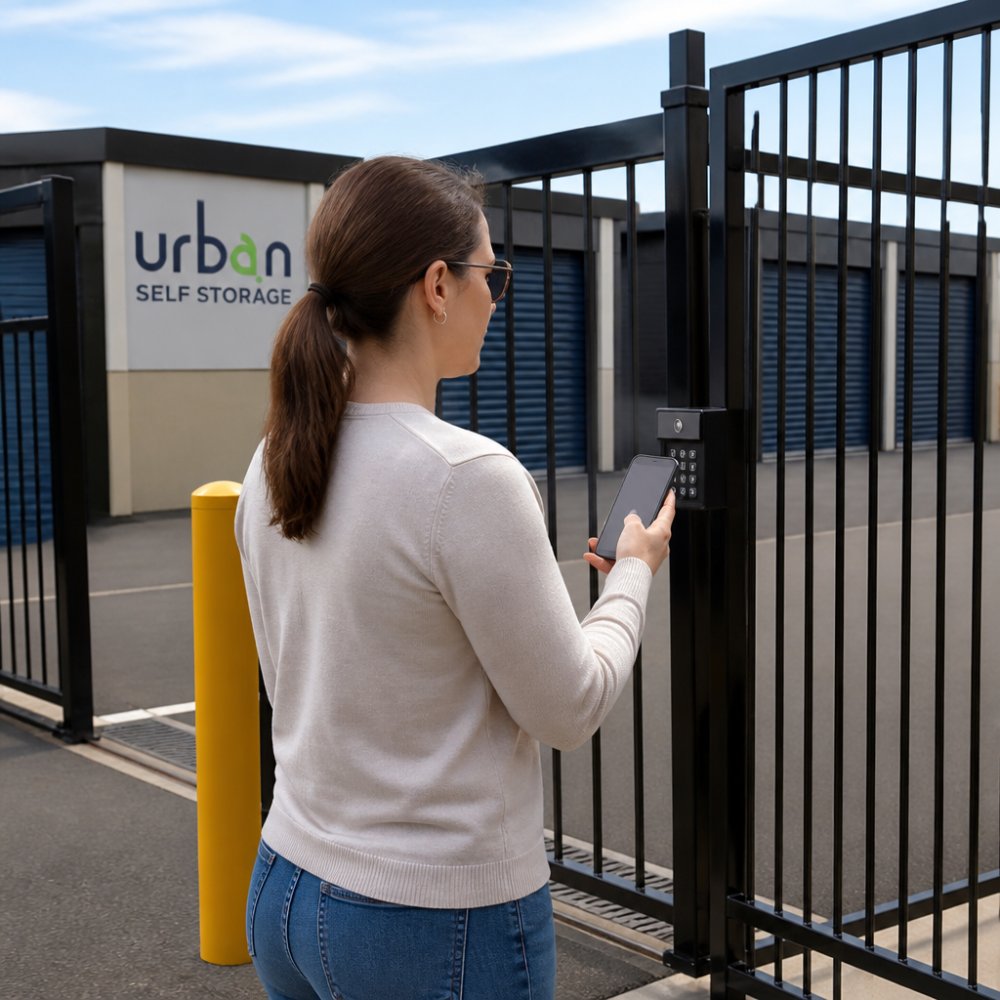
The technology question isn’t “which is better?” It’s “what access pattern matches your use, and what happens if that pattern changes?” Frequent, unpredictable access favours chains. Predictable, scheduled access favours independents. Uncertain or evolving access patterns favour independents’ flexibility, even if their base technology is less polished.
How to Avoid Hidden Storage Fees and Lock-In Traps
National chains often charge administrative fees, monthly service charges, rate increases at renewal, early termination penalties, and mandatory or heavily promoted insurance. Independent facilities are less likely to layer fees but may charge for key replacement or after-hours access.
How Promotional Lock-In Actually Works
Promotional rates (e.g., 50% off) typically apply only to the first 1-3 months of a 12-month contract, reverting to full price thereafter. Early exit may incur termination fees. Independent operators typically quote a single rate upfront with no hidden escalation; discounts apply to the entire rental period.
The Verification Checklist: What to Ask Before Signing
Request written answers to these ten questions before signing:
- Promotional Rate Duration: How many months does the promotional rate apply? What is the standard rate after?
- Rate Increase Clauses: Does your rate increase during the contract? If yes, when, by how much, and is there a cap? (Chains often reserve annual increases; independents usually lock rates.)
- Early Termination Penalties: What is the cost to exit early? Is there a minimum notice period?
- Contract Length and Flexibility: Fixed 12-month or month-to-month? What notice period to exit? Can you renew on different terms? (Chains enforce fixed terms; independents often allow 30-day exit.)
- All Fees: What is included in monthly rent? Separate charges for access card, maintenance, insurance, administration, or late fees?
- Insurance Requirements: Mandatory or optional? Cost and coverage? Can you use your own insurance?
- Access Hours: What are the hours? After-hours fees? Is 24-hour access included or an add-on?
- Rate Lock and Renewal: Will your rate be locked for the contract duration? What happens at renewal, renegotiate or auto-renew at a new rate?
- Cancellation Notice Period: How much notice to cancel? Do you pay rent for the notice period even if vacated? (Chains typically require 30 days; independents may allow 7-14 days.)
- Dispute Resolution and Refunds: What is the dispute process? Are deposits refundable? How long for refunds?
Red Flags to Watch
Vague promotional terms without amounts or duration. Verbal-only promises, get everything in writing. Mandatory insurance bundled into rent with no opt-out. Auto-renewal clauses requiring 60+ days’ notice. Rate-increase language without caps or notice periods. Cancellation penalties disguised as administrative fees.
Independent vs Chain: The Real Difference
National chains operate on standardised contracts. Rates are set by location and unit size, with little room for negotiation. However, the promotional-to-standard-rate jump is where they recoup acquisition costs.
The cheapest first month is worthless if you’re locked into a 12-month contract with automatic rate increases and a $200 early termination fee. Always compare total cost over your actual storage duration, not just the opening offer. Request the ongoing rate in writing, not just the promotional price.
How to Use This Checklist
- Request the full contract and quote from both a national chain and an independent operator.
- Go through the checklist with each provider. Ask for written answers to every question.
- Compare the total cost over your actual storage duration (e.g., 6 months, 12 months), including all fees and rate increases.
- Identify which provider offers the best value for your specific timeframe and access needs, not the lowest advertised rate.
Urban Self Storage, for example, offers flexible short and long-term storage options in Bunbury WA. Before committing, verify each point on this checklist with their team to confirm terms match your needs.
Book Online in 3 Minutes & Get 50% Off Instantly →
Negotiating Self Storage Rates and Contract Terms
National chains operate on standardised pricing. Rates are set by location and unit size, with little room for negotiation. However, timing matters: off-season (winter, post-holiday) often brings better promotional offers than peak season (summer, moving season).
Independent operators build negotiation into their business model. If you’re committing to 12 months or renting multiple units, most independents will discuss rates. They may also accommodate unusual requests: extended access hours, permission to modify the unit, or flexible payment schedules.
When negotiating self storage rates, approach with specifics:
- State your duration upfront (“I need storage for six months”)
- Ask what discount applies to that timeframe
- Compare competing quotes in writing
- Enquire about volume discounts (multiple units)
- Request a rate lock: “Will my rate increase during my contract?”
- Ask about renewal terms before signing
Urban Self Storage offers competitive pricing with flexible terms. Whether you need large storage units in Bunbury, business storage, or specialised options like caravan storage, their team can discuss rates tailored to your needs.
Negotiation works best when you’re a good tenant: reliable payment, reasonable use, and a clear exit date. Operators reward predictability.
Which Option Suits Your Storage Needs?
The decision hinges on four factors: duration, access frequency, budget, and control preference.
Choose a national chain if:
- You need 24-hour access or frequent unpredictable visits
- You value app-based convenience and digital payment
- You’re storing for a short period (under three months) and can absorb the promotional-to-standard rate jump
- You prefer standardised processes and no negotiation
Choose an independent operator if:
- You’re storing for six months or longer
- You need predictable, scheduled access
- You value direct communication with management
- You want to negotiate terms and lock in a stable rate
- You prefer a smaller, quieter facility
Urban Self Storage serves customers across both profiles. Its modern, secure facilities and quick move-in process appeal to those needing efficiency. Its flexible short and long-term options and competitive pricing suit those prioritising stability and personal service.
The strongest approach: get quotes from both a national chain and a local independent. Compare the total cost over your actual storage duration, not just the promotional rate. Ask about rate increases, early termination penalties, and access hours. Then decide based on what you’ll actually use, not what sounds impressive in marketing.
Choosing between a national chain and an independent storage operator isn’t about picking the “right” brand, it’s about matching your actual needs to the right business model. National chains excel at convenience and scale. Independent operators excel at flexibility and personal service. Urban Self Storage combines both: secure, modern facilities with competitive pricing and hassle-free access. Book online now to compare our rates, explore our Bunbury locations, and find the storage solution that fits your situation.
Frequently Asked Questions
Is StoreLocal worth it compared to smaller storage facilities?
StoreLocal suits those prioritising convenience and technology: online booking, app-based access, 24-hour availability at many locations, and standardised 24/7 CCTV. Independent facilities often offer negotiable pricing, on-site manager accessibility, and personalised service. Worth depends on whether you value tech convenience or flexibility and local relationships more. Compare specific rates, contract terms, and access hours at your chosen locations before deciding.
Are independent storage facilities cheaper than big chains?
Not always. While independent operators can negotiate rates and avoid corporate overhead, they lack the promotional leverage of national chains. StoreLocal frequently offers 50% first-month discounts and promotional pricing. However, independents may have lower ongoing rates after promotions end. Compare the total cost over your rental period, not just the opening offer. Ask both types for their standard (non-promotional) monthly rate to see the true difference.
What hidden fees should I watch for with storage units?
Common hidden fees include: access card replacement charges, late payment penalties, insurance add-ons, unit deposit forfeiture, administrative fees for contract changes, and surprise rate increases at renewal. Always request the full fee schedule in writing before signing. Verify what’s included in your quoted rate: access hours, insurance, CCTV monitoring, climate control. Ask about cancellation notice periods and whether you can cancel without penalty if circumstances change.
Do smaller storage facilities have good security?
Quality varies widely. Independent facilities may have CCTV and motion sensors, but verify the system is monitored 24/7, not just recorded. Ask to see proof of monitoring and incident response procedures. Smaller sites are often quieter with fewer access points, which can reduce theft risk. Check reviews for security incidents. Don’t assume size determines security, ask specific questions and request evidence of active monitoring at any facility you consider.