
Table of Contents
- Understanding 24/7 CCTV Surveillance Costs
- Benefits of 24/7 CCTV Monitoring
- Security Camera Subscription vs Local Storage
- Impact of CCTV on Insurance Premiums
- Hidden Costs and Total Cost of Ownership
- Is 24/7 Surveillance Right for Your Situation?
- Frequently Asked Questions
Last Updated: September 22, 2026
Understanding 24/7 CCTV Surveillance Costs
24/7 CCTV surveillance refers to continuous video monitoring systems that record and monitor property activity around the clock, typically combining hardware, cloud or local storage, and professional monitoring services. The question of whether is 24/7 cctv surveillance worth the extra cost depends on your specific security needs, property type, and risk tolerance.
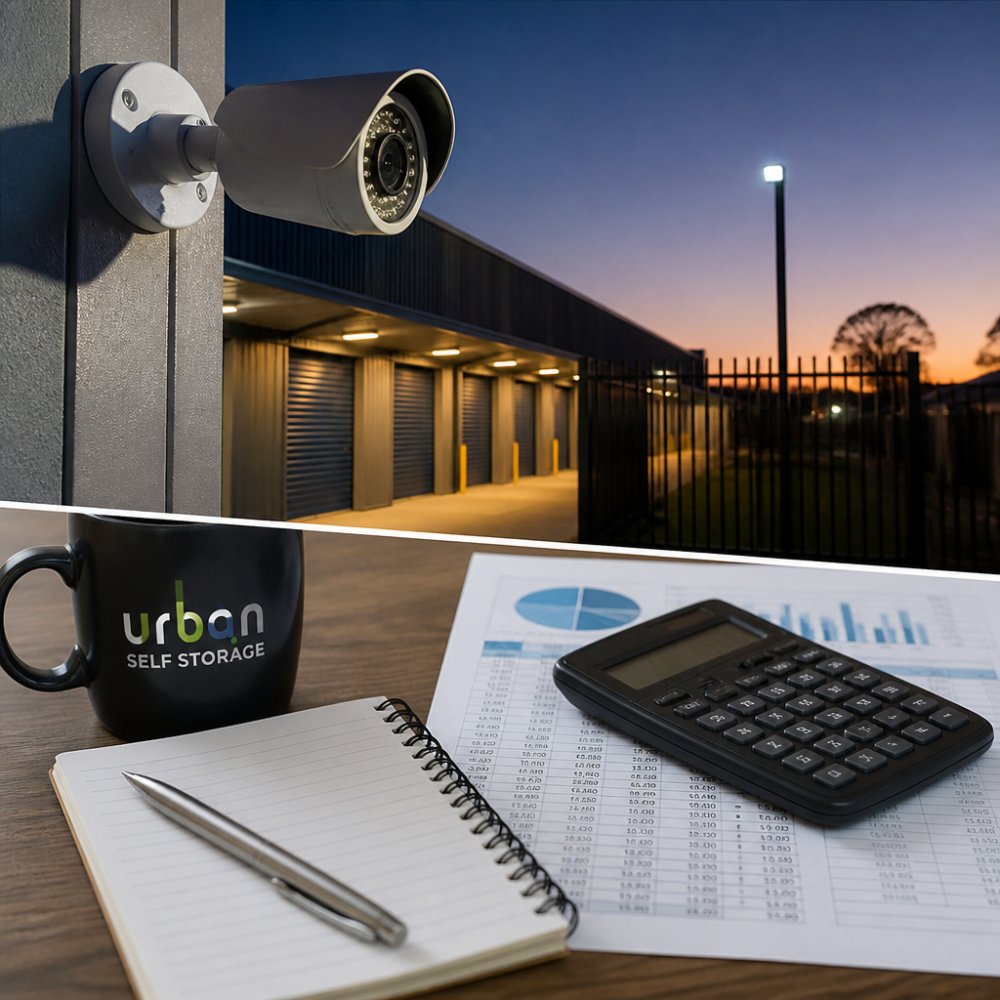
When evaluating whether 24/7 CCTV surveillance is worth the extra cost, you need to understand what you’re actually paying for. The expenses break down into several distinct categories: the equipment itself, installation labour, ongoing subscription or monitoring fees, and often-overlooked costs like energy consumption and storage maintenance.
Upfront equipment and installation expenses
CCTV system costs vary dramatically based on camera quality, quantity, and installation complexity. A basic single-camera system might cost considerably less than a multi-camera setup with professional-grade equipment. Professional installation typically runs higher than DIY approaches, but ensures proper positioning, integration, and compliance with local regulations.
Many property owners underestimate installation costs. Running cabling through walls, setting up network infrastructure, and configuring systems properly requires skilled technicians. The quality of installation directly affects system performance and longevity, making it a critical investment rather than a cost to minimise.
Request a detailed quote that itemises equipment, labour, and any additional infrastructure costs. Hidden charges often appear in cabling, conduit work, or structural modifications needed for proper camera placement.
Ongoing subscription and monitoring fees
If you choose professional monitoring services, expect recurring monthly charges. These services provide real-time alerts, emergency response coordination, and professional verification of incidents. Some systems offer tiered monitoring options, allowing you to select the level of service that matches your needs.
Local storage alternatives eliminate ongoing subscription fees but require you to manage video footage yourself, handle storage upgrades, and respond to incidents without professional support. This trade-off between convenience and cost is central to the 24/7 CCTV surveillance decision.
Benefits of 24/7 CCTV Monitoring
Continuous surveillance delivers measurable security benefits that extend beyond simple deterrence. Understanding these advantages helps justify the investment through concrete outcomes rather than theoretical protection.
Deterrence and crime prevention
The presence of visible CCTV cameras deters many potential trespassers and opportunistic criminals. Research from the Australian Institute of Criminology consistently shows that properties with visible security measures experience lower rates of attempted break-ins and theft.
Beyond deterrence, recorded footage provides evidence for law enforcement investigations. If a crime does occur, clear video identification significantly improves recovery rates and prosecution success. For businesses storing inventory or equipment, this evidence value often justifies the system cost alone.
CCTV systems work on two levels: they prevent incidents from occurring in the first place, and they provide proof if prevention fails.
Real-time alerts and rapid response
Modern 24/7 CCTV surveillance systems send instant notifications when motion is detected or when specific zones are breached. This immediate alert capability allows property owners or monitoring services to respond within minutes rather than discovering problems hours or days later.
Book Online in 3 Minutes & Get 50% Off Instantly →
For businesses and storage facilities, real-time alerts mean the difference between stopping a theft in progress and filing an insurance claim. The psychological advantage of knowing someone is watching creates a powerful deterrent effect that static cameras cannot match.
Security Camera Subscription vs Local Storage
The choice between cloud-based subscription monitoring and local storage fundamentally shapes your ongoing costs and operational responsibilities.
Cloud subscription models provide professional monitoring, remote access, and automatic backup.
| Approach | Monthly Costs | Monitoring | Storage Responsibility | Best For |
|---|---|---|---|---|
| Cloud Subscription | Yes | Professional | Provider | Hands-off security |
| Local Storage | No | Self-managed | Property owner | Budget-conscious users |
| Hybrid Model | Moderate | Both options | Shared | Flexible requirements |
Impact of CCTV on Insurance Premiums
Insurance providers recognise that 24/7 CCTV surveillance significantly reduces risk exposure, but the discount structure and qualifying requirements are more complex than many property owners realise. Understanding these requirements ensures you capture available savings and avoid installing systems that fail to meet insurer standards.
Discount eligibility and documentation requirements
Most insurers offer premium reductions for properties with documented security systems, typically ranging from 5-15% depending on system specifications and monitoring type. However, these discounts are not automatic. Insurers require specific documentation:
- System specifications: Camera resolution (typically minimum 1080p), field of view, and night-vision capability
- Recording standards: Continuous recording capability and minimum retention period (often 30 days)
- Monitoring certification: Professional monitoring services must be certified and respond to alerts within defined timeframes
- Installation documentation: Photographs showing camera placement, coverage areas, and system integration
- Maintenance records: Proof of regular maintenance and system testing
Request your insurer’s security system requirements in writing before purchasing equipment. This ensures your installation meets their standards and qualifies for maximum discount eligibility.
Calculating insurance savings against system cost
For business owners, the insurance savings can offset a substantial portion of system costs over several years. A business paying a certain amount in annual insurance premiums might receive a meaningful discount with a qualifying CCTV system. Over five years, cumulative savings can offset a significant percentage of a typical professional system’s five-year total cost of ownership.
Privacy and legal compliance as hidden insurance value
Beyond premium discounts, CCTV systems help satisfy legal compliance requirements that insurers increasingly enforce. Under privacy legislation, property owners must balance security needs against residents’ and visitors’ privacy rights. Properly documented systems with clear signage and defined recording purposes demonstrate good-faith compliance, reducing your legal liability exposure.
Hidden Costs and Total Cost of Ownership
Beyond obvious expenses, several hidden costs accumulate over time and affect the true value calculation. A comprehensive Total Cost of Ownership (TCO) approach over 3-5 years reveals whether 24/7 surveillance genuinely justifies its ongoing expense.
Energy consumption and bandwidth usage
CCTV systems consume electricity continuously. Modern IP cameras typically draw 5-15 watts per unit, depending on resolution and night-vision capability. A four-camera system running 24/7 might consume 480-1,440 kilowatt-hours annually. At average electricity rates, this translates to a meaningful recurring expense that many property owners overlook when calculating system value.
Energy costs compound annually. A four-camera system consuming continuous power represents a meaningful ongoing operational expense. Over five years, this accumulates to a substantial hidden cost, often exceeding the initial equipment purchase for budget systems.
Maintenance, repairs, and component replacement
CCTV systems require periodic maintenance. Camera lenses accumulate dirt, dust, and weather-related debris, reducing image quality and requiring cleaning every 3-6 months. Storage devices fail predictably; hard drives typically last 3-5 years before replacement becomes necessary. For systems with substantial storage capacity, replacement costs can be significant.
Calculating five-year total cost of ownership
A structured TCO model reveals the true investment required:
Book Online in 3 Minutes & Get 50% Off Instantly →
Example: Four-camera professional system with cloud monitoring
- Initial equipment and installation
- Professional monitoring across five years
- Annual electricity consumption
- Maintenance and repairs
- Storage device replacement
- Internet plan adjustments (if required)
- Five-year TCO: Substantial cumulative investment
Example: Four-camera DIY system with local storage
- Initial equipment and installation (DIY labour)
- Annual electricity consumption
- Storage device replacement
- Maintenance and repairs (self-managed)
- Five-year TCO: Lower cumulative investment
The difference between professional monitoring and self-managed systems is substantial over five years. However, the professional model includes incident response, evidence handling, and emergency coordination that self-managed systems do not provide. Your TCO calculation should weigh these non-monetary benefits against the cost difference.
Request itemised quotes from installers that project costs across five years, including anticipated maintenance and storage replacement. This transparency allows genuine comparison between systems rather than focusing only on upfront equipment cost.
Is 24/7 Surveillance Right for Your Situation?
The value proposition for 24/7 CCTV surveillance varies dramatically based on your specific circumstances, risk profile, and operational needs.
When 24/7 monitoring makes financial sense
Continuous surveillance justifies its cost for high-value property protection. If you store expensive equipment, valuable inventory, or operate a business where security incidents create significant financial exposure, professional 24/7 monitoring typically delivers measurable return on investment.
When standard surveillance may be sufficient
If your property sits in a low-crime area with minimal security risk, standard recording systems without professional monitoring may provide adequate protection. You maintain footage for evidence purposes without paying for ongoing monitoring services.
Frequently Asked Questions
Will installing 24/7 CCTV surveillance reduce my home or business insurance premiums?
Many insurers offer discounts for properties with active surveillance systems, though the reduction varies by provider and coverage type. The impact of CCTV on insurance premiums depends on your insurer’s specific risk assessment and whether the system meets their standards. Contact your insurer directly to understand what discount may apply, as some require professional monitoring or specific camera specifications. Over time, even modest premium reductions can offset the cost of your surveillance system.
What is the difference between 24/7 CCTV surveillance and motion-activated recording?
24/7 surveillance records continuously, capturing all activity and providing complete video history, whilst motion-activated recording only starts when movement is detected. Continuous monitoring uses more storage and bandwidth, raising ongoing costs, but ensures no incidents are missed. Motion-activated systems reduce storage needs and subscription costs, making them suitable for low-risk periods. The choice depends on your risk profile and budget; high-value items or business inventory typically justify the extra cost of continuous monitoring.
Can I use 24/7 CCTV surveillance without a subscription service?
Yes, you can record 24/7 using local storage on a hard drive or network-attached device without paying monthly subscription fees. However, local-only systems lack cloud backup, remote access, and professional monitoring, which increases your responsibility for data security and incident response. Cloud-based subscription models offer real-time alerts, secure offsite backup, and expert monitoring, adding convenience and protection. Evaluate whether the peace of mind and accessibility of subscription services justifies the ongoing cost for your specific needs.
What hidden costs should I expect with 24/7 CCTV surveillance?
Beyond equipment and subscription fees, budget for electricity consumption (especially for continuous recording), bandwidth usage if using cloud storage, annual maintenance and camera cleaning, and potential system upgrades every 5-7 years. False alarm response fees may apply if your system triggers unnecessary emergency calls. Professional installation labour, insurance or compliance certifications, and data retention charges can also add up. Calculate your total cost of ownership over 3-5 years to make an informed decision about whether 24/7 surveillance is worth the investment.