

Table of Contents
- The 5 Most Common Mistakes When Renting a Storage Unit
- Understanding Storage Unit Sizes and What Fits
- Storage Unit Costs Per Month and Hidden Fees
- Protecting Belongings From Damage and Moisture
- What You Cannot Store and Insurance Gaps
- Pre-Booking Checklist
- Frequently Asked Questions
Last Updated: October 6, 2026
The five most common mistakes when renting a storage unit are choosing the wrong size, ignoring hidden fees and contract terms, failing to protect belongings from moisture, misunderstanding insurance coverage, and not checking access rules or prohibited items before moving in.
First-time renters often rush, renting too small and paying for overflow, or too large and wasting money. The fine print matters as much as the headline rate: many discover after signing that contents cover doesn’t extend to stored goods, or that first-month promo pricing jumps sharply afterwards.
At Urban Self Storage, we’ve helped thousands avoid these pitfalls, knowing what to watch for before you book makes the difference.
The 5 Most Common Mistakes When Renting a Storage Unit
Choosing the wrong size cascades: too small and you can’t access items at the back, too large and you waste money monthly. Treating advertised rent as the total cost ignores hidden fees for locks, insurance add-ons and admin charges. Poor packing without airflow or labelling increases damage risk. Assuming contents cover extends to storage is usually wrong. Overlooking notice periods, post-promo rate rises and late-payment consequences rounds out the list.
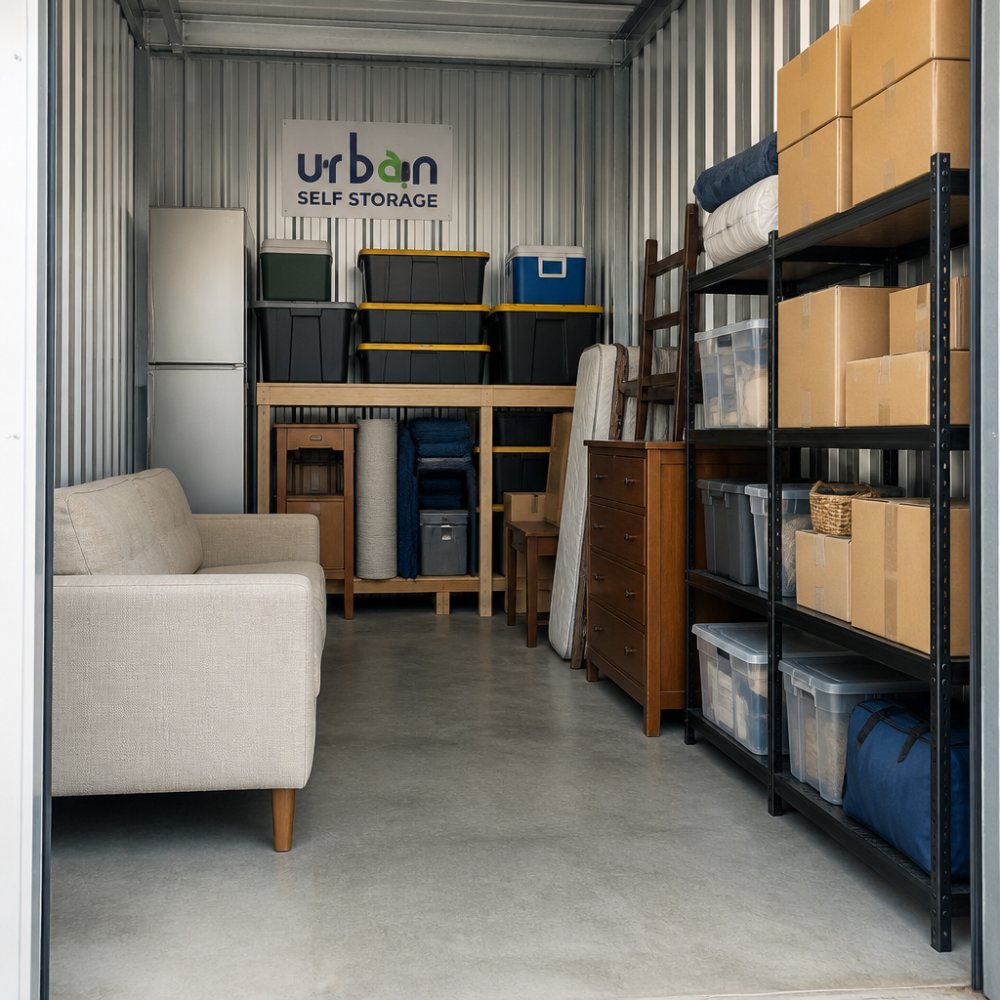
Understanding Storage Unit Sizes and What Fits
A storage unit size guide helps you choose correctly first time. Australian facilities typically offer 1.5m × 1.5m, 3m × 3m and 3m × 6m units.
The 1.5m × 1.5m suits seasonal items, documents or small collections. A 3m × 3m holds a small bedroom or office: bed, wardrobe, desk and boxes. The 3m × 6m fits whole-house contents, multiple beds, lounges, dining set and dozens of boxes. For larger items like caravans, boats or vehicles, Large Storage Units in Bunbury and specialised options such as Caravan Storage in Bunbury and Boat Storage are available to accommodate your needs.
The mistake is underestimating volume, items don’t stack efficiently and furniture takes more room than expected. Leave access pathways, or a unit that feels tight on move-in day becomes impossible to navigate later.
| Unit Size | Best For | Typical Contents |
|---|---|---|
| 1.5m × 1.5m | Seasonal items, documents | Winter clothes, decorations, boxes |
| 3m × 3m | Small bedroom or office | Bed, wardrobe, desk, 20-30 boxes |
| 3m × 6m | Whole-house contents | Multiple beds, lounges, dining set, 50+ boxes |
Storage Unit Costs Per Month and Hidden Fees
Advertised rates show only part of the picture. First-month promo pricing reverts to the regular rate afterwards, and many renters are surprised by the jump.
Beyond base rent, expect potential admin fees for setup, lock fees if you don’t bring a padlock, and storage insurance add-ons separate from contents cover. Some facilities may charge for extended access hours.
Agreements typically require 7-14 days’ notice before vacating; without it you may be charged another month. Some include rate increases after year one, so month 13 may cost more than month one. Whether you need Short and Long Term Storage in Bunbury WA, understanding your contract’s terms upfront protects you from unexpected costs.
Ask for the total monthly cost including all standard add-ons, and request a written fee breakdown before committing.
Book Online in 3 Minutes & Get 50% Off Instantly →
Protecting Belongings From Damage and Moisture
Moisture is the silent destroyer of stored items. Mattresses, timber furniture and electronics are especially vulnerable, and units often experience condensation in humid months. Items on concrete floors absorb moisture from below.
Elevate everything on pallets or shelving, wrap furniture but allow airflow (sealed plastic traps moisture), leave gaps from walls, and use silica gel packs. Climate-controlled storage maintains consistent temperature and humidity, which can help prevent mould and warping.
Don’t stack heavy items on delicate ones or pack so tightly you can’t access items. Label every box with contents and room destination, it saves hours later.
What You Cannot Store and Insurance Gaps
Your agreement lists prohibited items: flammables, chemicals, food, perishables and hazardous substances are universally banned, and some facilities also prohibit plants, animals or anything attracting pests. Check before you pack.
Home and contents insurance does not cover items in a storage unit, your household policy protects belongings at home, not in external storage. For coverage, buy storage-specific insurance through the facility or a third-party insurer; it’s a separate policy with its own terms and limits.
Pre-Booking Checklist
Before you sign:
- Measure your items, add 20% for access space
- Request a written breakdown of all fees, including promo and regular rates
- Ask about the notice period and early termination penalties
- Confirm whether contents cover extends to stored goods (it almost certainly doesn’t)
- Check access hours and whether extended hours cost extra
- Review prohibited items and confirm compliance
- Inspect for moisture, mould or pests
- Ask about security: CCTV, lighting, fencing, alarms
- Understand missed-payment consequences and when goods can be sold
- Request the cancellation policy in writing
Frequently Asked Questions
What are the most common mistakes when renting a storage unit?
The top five mistakes are: choosing the wrong unit size, skipping the rental agreement details, assuming home insurance covers stored items, poor packing and organisation, and not understanding payment terms and late fees. Each can cost you money or result in damaged belongings. Reading your contract carefully, measuring your items beforehand, and confirming what insurance actually covers will save you stress and expense.
Does home and contents insurance cover items in a storage unit?
Most home and contents insurance policies do not cover items stored in a self-storage facility. Your belongings are outside your home and outside the policy’s scope. You’ll need storage insurance or contents cover specifically designed for stored goods. Check with your insurer before signing a rental agreement to confirm what’s covered and what gaps exist.
What happens if you miss a storage unit payment?
Late payments typically trigger late fees within days of the due date. If rent remains unpaid for a set period (often 30-60 days, depending on your contract), the facility may restrict your access or place a lien on your goods. In extreme cases, unpaid storage units can be sold at auction to recover outstanding rent. Always confirm the notice period and payment deadlines in your rental agreement.
How do you choose the right storage unit size?
Measure your largest items and list everything you plan to store. A 1.5 × 1.5 m unit suits small items and documents; a 3 × 3 m fits a bedroom’s furniture; a 3 × 6 m handles a full house. Visit the facility before booking to see the actual space. Undersizing wastes money on a second unit; oversizing wastes money on unused space. Many facilities offer a size guide to help you decide.
Choosing the right storage facility and understanding the contract before you commit protects both your belongings and your budget. Urban Self Storage offers flexible short- and long-term rental options with transparent pricing, advanced 24/7 CCTV surveillance, and a simple move-in process. Our facilities are clean, secure, and designed for easy access to your stored items. Book online now to see available unit sizes and get a quote tailored to your needs.