
Table of Contents
- Get the Unit Size Right: What Actually Fits
- Storage Unit Security Features That Matter
- Access and Convenience: Drive-Up, Hours, and Move-In Speed
- Short Term vs Long Term Storage Contracts
- How Much Does Self Storage Cost Per Month: Pricing and Hidden Fees
- Match Your Storage Type to Your Needs
- Location Matters: Proximity to Home or Work
Last Updated: August 30, 2026
When you’re choosing a self storage unit, you’re making five key decisions at once: how much space you actually need, whether the facility can keep your stuff safe, how easily you can access it, what flexibility the contract gives you, and whether the total cost makes sense. Get these right, and you’ll rent a unit that fits your life. Get them wrong, and you’ll either pay for space you don’t use or find yourself locked into a contract that doesn’t work anymore.
This guide walks through each decision with the specifics that matter. Here’s what actually separates a good choice from a frustrating one.
Get the Unit Size Right: What Actually Fits
The biggest mistake people make is guessing. They think "medium should be fine" and then either run out of space halfway through or rent a unit that sits half-empty for months.
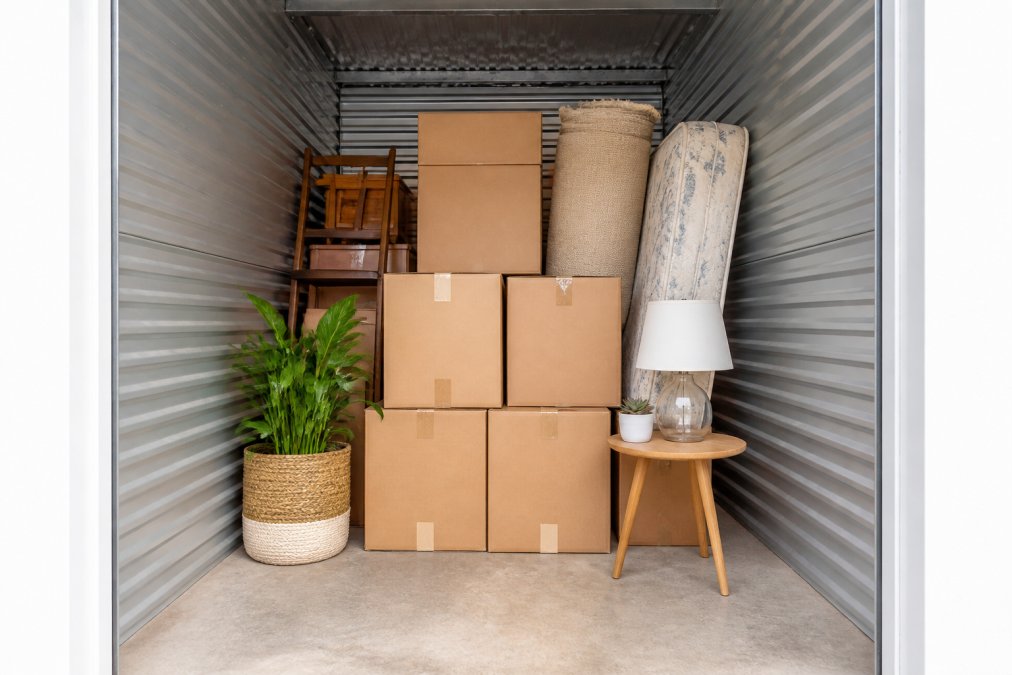
A small unit, typically around 3m × 2m, holds roughly one bedroom’s worth of furniture and boxes (selfstorage.org). That’s a bed frame, a wardrobe, a desk, and about 15-20 stacked moving boxes. If you’re storing furniture from a single bedroom plus some seasonal items, this works. If you’re storing a full house, it won’t.
A medium unit, around 4m × 3m, fits a one-bedroom apartment’s contents comfortably (selfstorage.org). You can fit a lounge suite, dining table with chairs, bedroom furniture, kitchen items, and 30-40 boxes. Most families downsizing or doing a short-term renovation use this size.
A large unit, 5m × 3m or bigger, handles a two-bedroom house’s worth of stuff, including appliances (selfstorage.org). Tradespeople storing tools and equipment, small businesses holding excess inventory, and families storing caravans or boats typically need this size.
The honest approach: list what you’re storing, measure the largest pieces, and add 20% for access space inside the unit. You’ll move around in there, and cramming everything to the walls makes retrieval a nightmare. Most facilities, including Urban Self Storage, let you visit and walk through a sample unit before committing. Do it. Stand in the space with your measurements and see how it feels.
Storage Unit Security Features That Matter
Security isn’t one thing, it’s a stack of layers. A facility with CCTV but no perimeter fence leaves your unit exposed. A fence with no alarm means someone could break in without triggering anything. You need multiple systems working together.
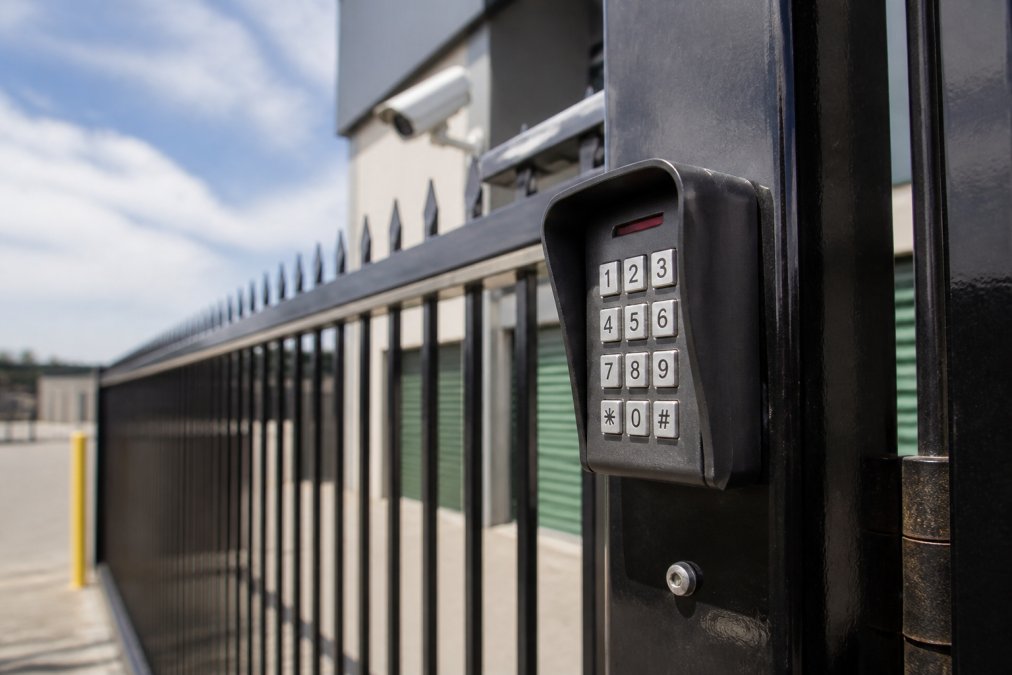
Individually alarmed units matter more than you’d think. If your unit has its own alarm, someone breaking in triggers it immediately. A facility-wide alarm system might not catch a breach in a single unit. Urban Self Storage equips each unit with individual alarms, which means your belongings get direct protection.
Perimeter fencing keeps casual thieves out. An electric fence is even better, it’s a visible deterrent and adds a layer most opportunistic break-ins won’t attempt. This stops people from wandering into the facility at night.
24/7 CCTV monitoring means there’s a record if something does happen. But here’s what matters: is it actually monitored in real-time, or is it just recording footage nobody watches? Ask the facility directly. Do they have staff monitoring cameras around the clock, or is it just a recording system? Urban Self Storage runs 24/7 CCTV.
Keypad PIN access is better than physical keys. Keys get lost or copied. A PIN is unique to you, and the facility can track who accessed the building and when. If something goes missing, they can pull the access log.
Your own padlock matters too. Don’t use the facility’s padlock if you can help it. Bring your own heavy-duty padlock so only you control access to your unit. Many facilities allow this, and it’s worth asking.
Access and Convenience: Drive-Up, Hours, and Move-In Speed
You’ll visit your storage unit more often than you think. Maybe it’s to grab a box of seasonal decorations. Maybe it’s to store something extra mid-lease. Maybe it’s to retrieve something you realised you needed. The easier access is, the more likely you’ll actually use the space properly instead of just abandoning stuff there.
Drive-up access means you can park right outside your unit and load directly. No carrying boxes through corridors. If you’re storing furniture or large items, this saves hours of frustration. Not every facility offers it, so ask.
Opening hours matter for your schedule. Some facilities close at 6pm. If you work standard hours and can only visit on weekends, that’s fine. If you need access on a Tuesday evening after work, you need a facility open late or offering 24/7 access. Urban Self Storage provides access that suits working people and businesses.
Move-in speed is underrated. A facility that gets you set up in 10 minutes versus one that takes an hour makes a real difference, especially if you’re moving on a tight timeline. Ask what the move-in process actually involves. Is it just signing forms and getting a key, or do they do an inventory check, take photos, and explain every clause? Urban Self Storage completes move-in in under 10 minutes, which matters when you’re juggling a house move or renovation timeline.
Short Term vs Long Term Storage Contracts
This is where flexibility either saves you or costs you. A 12-month lock-in contract sounds cheaper per month until you realise you don’t need the space anymore and you’re stuck paying for three months you don’t use.
Month-to-month contracts give you flexibility. You can leave whenever you want, which matters if you’re storing stuff during a renovation (you don’t know exactly when it’ll finish) or during a house move (you might find a new place faster than expected). The trade-off is that month-to-month is usually slightly more expensive per month than a longer commitment. It’s worth it if your timeline is uncertain. essential storage solutions.
Short-term contracts (3-6 months) are a middle ground. They lock you in less than a year but usually cost less per month than month-to-month. Good if you know roughly when you’ll need the space but want some flexibility.
Long-term contracts (12 months or more) are cheaper per month but commit you. Only choose this if you’re certain you’ll need the space for that full period. Families storing stuff while building a new house, businesses holding seasonal inventory, and people storing vehicles long-term often use these.
Urban Self Storage offers no lock-in contracts, which means you’re not trapped. You can move out whenever your situation changes. That flexibility is worth asking about, not every facility offers it.
How Much Does Self Storage Cost Per Month: Pricing and Hidden Fees
Storage pricing depends on unit size, location, and how long you rent. A small unit costs less than a large one. A unit near the city costs more than one further out. A month-to-month rental costs more per month than a 12-month commitment.
Before you sign, ask these questions:
Is there an administration fee? Some facilities charge a one-time setup fee. Others charge it every time you renew. Ask whether it’s included in the quoted price or added on top.
Is there a deposit? Many facilities require a deposit equal to one month’s rent. Some don’t. Ask upfront so you know what you’re paying to move in versus what you’re paying monthly.
What about insurance? Some facilities include basic insurance. Others require you to arrange your own. If you’re storing valuable items, tools, business inventory, collectibles, ask whether the facility’s insurance covers them or whether you need additional coverage. This can add to your total cost.
Are there fees for late payment or early exit? If you pay late, does the facility charge interest? If you leave early, do they charge a penalty? These aren’t always advertised upfront, but they matter.
Does the quoted price include everything, or are there seasonal adjustments? Some facilities charge more in summer (peak moving season) than in winter. Ask whether the price you’re quoted is locked in or subject to change.
Urban Self Storage offers competitive pricing with a 50% discount on your first month, which gives you a real saving upfront. Ask any provider about their current promotions and what’s actually included in the advertised price.
Match Your Storage Type to Your Needs
Not all storage is the same. A unit for household furniture has different requirements than a unit for a caravan or a unit for business inventory.
Household storage (furniture, boxes, seasonal items) needs climate control if you’re storing anything vulnerable to temperature or humidity changes. Wooden furniture, electronics, and documents can warp or corrode in uncontrolled spaces. A basic unit works for hardy items like plastic storage containers and metal shelving.
Business inventory storage needs easy access and security. If you’re storing products you sell, you need to get in and out quickly, ideally during business hours. You also need protection against theft. Climate control matters if you’re storing electronics, textiles, or anything temperature-sensitive.
Vehicle storage (caravans, boats, jet skis) needs drive-up access and space. A caravan won’t fit in a standard unit. You need a large outdoor bay or a high-ceiling unit. Check that the facility allows vehicles and whether there are restrictions on fuel tanks or batteries (some facilities prohibit storing vehicles with full tanks).
Equipment and tools storage (for tradespeople and contractors) needs security and accessibility. You’re accessing this regularly, so location and opening hours matter. You also want individual unit alarms since tools are high-value and theft-prone.
Urban Self Storage offers personal, furniture, business, equipment, caravan, boat, and jet ski storage, which means the facility is designed for different needs. Ask the provider whether their units are suited to what you’re storing. A facility built for household goods might not have the right setup for a caravan or a pallet of business inventory.
Location Matters: Proximity to Home or Work
Where the facility is located affects how often you’ll actually use it and how convenient it is when you need something.
If you’re storing stuff during a house move, proximity to your new home matters. You’ll be making multiple trips to grab things as you unpack. A facility 20 minutes away is manageable. One an hour away becomes a hassle.
If you’re storing business inventory or equipment, proximity to your business matters more. You might need to access it several times a week. A facility close to your workplace saves time and money on fuel.
If you’re storing seasonal items you rarely need, distance matters less. You might visit once or twice a year, so being further out is fine if the price is lower.
Urban Self Storage has two locations in the Bunbury area, East Bunbury and Picton, which gives customers in the region convenient access. If you’re choosing between facilities, ask yourself how often you’ll visit and whether the location fits that pattern.
Choosing a self storage unit comes down to matching the facility to your actual needs, not just picking the cheapest option or the one with the biggest unit. Size, security, access, contract flexibility, and location all interact. Urban Self Storage offers individually alarmed units, 24/7 CCTV, drive-up access, no lock-in contracts, and two convenient locations across the Bunbury area. Book online now to check availability and secure your unit with a 50% discount on your first month.
| Decision Factor | What to Ask | Why It Matters |
|---|---|---|
| Unit size | Can I walk through a sample unit with my measurements? | Prevents overpaying for space you don’t need or running out of room |
| Security | Are units individually alarmed and monitored 24/7? | Protects your belongings from theft and break-ins |
| Access | Do you offer drive-up access and extended hours? | Makes retrieving items convenient and fits your schedule |
| Contract | Do you offer month-to-month with no lock-in? | Gives you flexibility if your storage needs change |
| Pricing | What fees are included, and what’s added on top? | Prevents surprise charges when you renew or access your unit |
| Storage type | Are your units designed for what I’m storing? | Ensures the facility suits your specific needs |
| Location | How far is the facility from my home or business? | Determines how convenient access will be in practice |
Frequently Asked Questions
Q: What are the most common mistakes people make when choosing a self storage unit?
A: The biggest mistakes are underestimating unit size, ignoring security features, and not reading contract terms carefully. Many people choose based on price alone and end up with a unit that's too small or lacks proper climate control for sensitive items. Others miss hidden fees because they don't ask upfront about admin charges, insurance requirements, or deposit terms. Always visit the facility, measure what you're storing, and ask about access hours and contract flexibility before committing.
Q: How do I determine the right size storage unit for my furniture and household items?
A: Start by listing what you're storing and measuring the largest pieces. A small unit (around 3m x 2m) holds roughly one bedroom's worth of boxes and a few furniture pieces. A medium unit fits 2-3 bedrooms of household goods plus a sofa and dining table. A large unit accommodates an entire house or business inventory. Most facilities offer unit calculators or let you visit before committing. If you're unsure, choose slightly larger rather than smaller, cramming items damages them and makes retrieval difficult.
Q: Are there hidden costs I should watch out for in storage contracts?
A: Ask about administration fees, insurance requirements, deposit amounts, and whether access fees apply if you visit frequently. Some facilities charge for late payments, unit transfers, or early termination. Clarify whether the quoted price includes everything or if utilities, pest control, or maintenance fees are extra. Get all fees in writing before you sign. Reputable providers disclose everything upfront; if a facility is vague about costs, that's a red flag.
Q: What security features are non-negotiable for a storage facility?
A: Look for 24/7 CCTV monitoring, individually alarmed units, secure perimeter fencing, and keypad PIN access so only you can enter. Your own padlock adds an extra layer. Ask whether CCTV is actively monitored or just recorded, and request proof that the system works. A facility should also have pest control measures and regular maintenance checks. Don't settle for basic locks and no surveillance, your belongings deserve proper protection.
This article was written using GrandRanker