
Table of Contents
- Why businesses need flexible storage alternatives
- Self-storage facilities as a business storage alternative
- Business storage unit price comparison: self-storage vs warehousing
- Short-term vs long-term business storage: which suits your operation
- Benefits of local self-storage for small business growth
- Portable containers and on-demand storage solutions
- Choosing the right business storage alternative for your needs
Last Updated: August 17, 2026
Why businesses need flexible storage alternatives
Businesses outgrow their space faster than they plan for it. When inventory piles up, equipment needs a home, or seasonal stock demands temporary shelter, the traditional commercial lease becomes an expensive anchor. A 12-month warehouse commitment locks you into overhead costs that don’t flex with your actual needs. This is where business storage alternatives matter.
The challenge isn’t finding a place to store things, it’s finding one that scales with your operation without trapping you in long-term contracts or inflexible terms. Whether you’re a small e-commerce retailer managing seasonal peaks, a tradesperson with tools and materials, or a growing business between offices, the storage solution you choose directly impacts your cash flow and operational efficiency.
At Urban Self Storage, we’ve worked with businesses across Western Australia facing this exact problem. What they needed wasn’t a warehouse. They needed flexibility, security, and access that matched how they actually work. That’s what separates a genuine business storage alternative from a standard commercial lease.
Self-storage facilities as a business storage alternative
Self-storage facilities have evolved far beyond the residential use case. Modern commercial-grade units now serve as legitimate alternatives to traditional warehousing, particularly for businesses that need flexibility without the overhead. The key difference is operational: you get access to your stock on demand, without paying for climate control or staffing you don’t need.
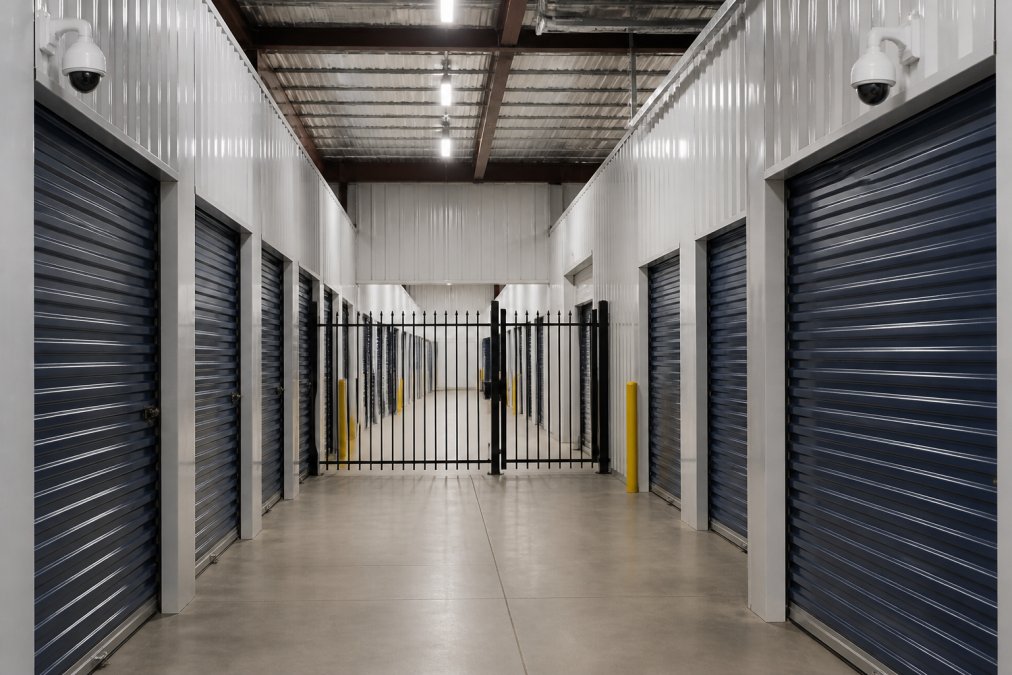
Self-storage works best when your business needs are predictable but temporary. A retailer holding excess inventory between seasons, a contractor storing equipment between jobs, or an e-commerce business managing peak-period overflow, these are scenarios where self-storage outperforms traditional warehouse space. You rent only what you use, access it when you need it, and walk away when demand drops.
The operational efficiency gains are real. No staff overhead. No utility bills for climate control you may not need. No minimum lease terms that force you to commit to space you’ll eventually outgrow. Urban Self Storage, for instance, offers flexible month-to-month arrangements across its Bunbury locations, meaning you adjust your storage footprint without legal friction.
Security, access, and operational efficiency
Security is non-negotiable for business storage. Your inventory, tools, and materials represent working capital. A facility without proper surveillance or access control is a liability, not a solution.
The best self-storage facilities operate with layered security: 24/7 CCTV monitoring, gated property access with individual PIN codes, and drive-up accessibility for units so you can load and unload efficiently. This matters more than it sounds. A tradesperson who can access their tools at 6 a.m. before a job site visit, or a retailer who can grab stock at odd hours during peak trading periods, saves time and reduces operational friction.
Access hours are the hidden differentiator. Many traditional warehouses operate 9-to-5. Modern business storage alternatives like Urban Self Storage offer 24/7 access, which means your operation isn’t constrained by facility hours. This flexibility alone justifies the choice for time-sensitive businesses.
Inventory management becomes simpler when access is straightforward. You’re not coordinating with warehouse staff or waiting for business hours to retrieve what you need. Drive up, use your PIN, access your unit, and manage your stock on your timeline.
Business storage unit price comparison: self-storage vs warehousing
Pricing is where the trade-offs become visible. Self-storage and traditional warehousing serve different needs, and their cost structures reflect that.
Self-storage pricing typically starts lower per unit and scales with size. A small 2.5m × 3m unit costs less than a dedicated warehouse space, partly because you’re not paying for staffing, climate control, or loading dock infrastructure. However, if you need multiple units or long-term storage at scale, those individual unit costs compound. Traditional warehousing spreads overhead across square footage, which can become cheaper if you’re using substantial space consistently.
The hidden cost in warehousing is commitment. A 12-month lease locks you into monthly rent regardless of whether you’re using the space fully. Self-storage month-to-month arrangements eliminate this penalty. You pay for what you use, when you use it, with no lock-in period.
Urban Self Storage’s pricing model reflects this flexibility: competitive monthly rates without long-term contracts, and often with first-month discounts available. Compare that to a warehouse requiring a lease, bond, and legal fees, the upfront friction and ongoing commitment are entirely different propositions.
For a fair comparison, calculate your total cost of occupancy across 12 months, including any penalties for early termination or unused space. Self-storage often wins on flexibility; warehousing wins on per-square-metre cost if you’re using the space consistently and at scale.
| Storage Type | Commitment | Access Hours | Typical Use Case | Cost Driver |
|---|---|---|---|---|
| Self-storage | Month-to-month | 24/7 | Seasonal inventory, short-term overflow | Unit size |
| Traditional warehouse | 12+ months | 9-5 or fixed | Consistent, high-volume storage | Square meterage + overhead |
| Portable containers | Flexible | On-site 24/7 | Mobile, temporary, on-premises storage | Duration + delivery |
Short-term vs long-term business storage: which suits your operation
The distinction between short-term and long-term storage is more than a contract length, it’s about how your business operates and what you’re optimising for.
Short-term storage (3-6 months) suits seasonal businesses, renovation projects, stock transitions, and temporary overflow. You’re not paying for wasted space over a year; you’re paying for the exact duration you need. This flexibility is worth the slightly higher per-month rate. A retailer managing Christmas inventory, a tradesperson between contracts, or a business relocating offices all benefit from short-term arrangements.
Long-term storage (12+ months) makes sense when you have consistent overflow that isn’t going away. Equipment storage, archived documents, seasonal items you rotate annually, or inventory for a second location. Long-term commitments often come with discounts, which can offset the higher per-month cost of short-term flexibility. However, you’re trading flexibility for savings, a trade worth making only if your storage needs are genuinely predictable.
The operational difference matters too. Short-term storage often means more frequent access: you’re pulling items regularly, restocking, rotating inventory. Long-term storage might be archive-style: you store it, access it rarely, and it sits until you need it. Self-storage facilities handle both, but your access pattern should influence which arrangement you choose.
Urban Self Storage’s month-to-month flexibility works well for both scenarios. Short-term users get the flexibility they need without penalty. Long-term users can lock in rates without legal complexity. This adaptability is why many businesses prefer self-storage over traditional leases, you’re not betting wrong on your storage duration.
Benefits of local self-storage for small business growth
Small businesses face a specific storage challenge: you need space, but not enough to justify a dedicated warehouse. A local self-storage facility bridges that gap perfectly.
The first benefit is scalability without infrastructure investment. As your business grows, you can rent additional units without expanding a physical location or negotiating new leases. You’re not locked into a fixed footprint. Need more space next month? Rent another unit. Inventory drops? Keep fewer units. This operational flexibility is what allows small businesses to grow without overcommitting to real estate.
Local facilities also reduce logistics friction. If your storage is across town at a remote warehouse, retrieving stock takes time and coordination. Local self-storage means your inventory is minutes away. A small e-commerce retailer can grab stock for urgent orders. A tradesperson can pick up tools between jobs without a 30-minute drive. This proximity directly improves operational speed.
Cost predictability matters for small businesses. No surprise warehouse fees, no bond requirements, no legal costs. Month-to-month arrangements mean you know exactly what you’re paying, and you can adjust without penalties. This cash flow certainty is valuable when you’re managing tight margins.
Security and professional presentation also matter. A modern self-storage facility signals professionalism to clients and partners. You’re not storing inventory in a basement or garage, it’s in a secure environment. This matters when clients visit, when you need to demonstrate operational maturity, or when insurance audits your storage practices.
Urban Self Storage’s two Bunbury locations are designed with small businesses in mind. Drive-up access, flexible unit sizes, 24/7 availability, and competitive pricing without hidden fees, these features let small businesses focus on growth rather than storage logistics.
Portable containers and on-demand storage solutions
Portable containers represent a newer category of business storage alternatives, and they solve a specific problem: sometimes you need storage that comes to you, not the other way around.
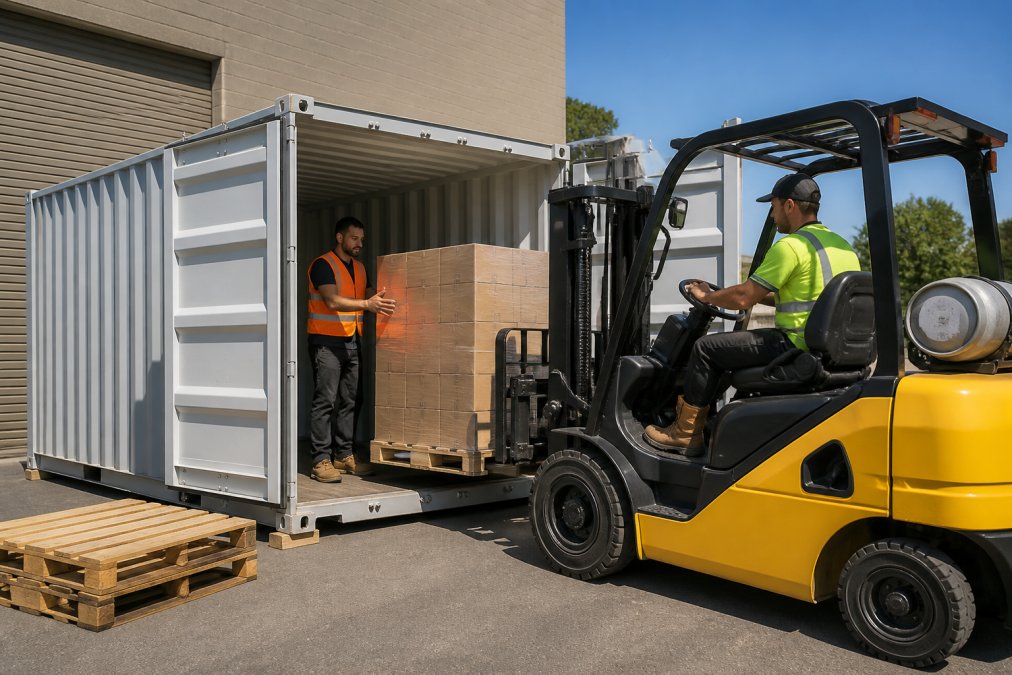
The model is simple. A company delivers a container to your premises, you load it at your own pace, and they either store it in their facility or leave it on-site depending on your needs. This eliminates the logistics hassle of transporting goods to an off-site facility. For businesses with bulky items, renovation debris, or seasonal stock that’s easier to manage on-site, portable containers are genuinely valuable.
On-demand storage services operate similarly but with more flexibility. You request space when you need it, items are collected or delivered, and you pay only for the duration. This suits businesses with unpredictable storage needs or those managing multiple locations. A growing business with fluctuating inventory can use on-demand storage to absorb peaks without committing to permanent space.
The trade-off is cost. Portable containers and on-demand services typically cost more per unit than self-storage facilities because you’re paying for logistics: delivery, pickup, and handling. However, if your time is valuable and your storage needs are irregular, that premium buys convenience and flexibility.
For most small to medium businesses, traditional self-storage is more cost-effective. But for specific scenarios, renovation projects, temporary overflow during relocations, or businesses with multiple sites, portable containers and on-demand storage solve real problems that self-storage facilities can’t.
Choosing the right business storage alternative for your needs
The right choice depends on three factors: your storage duration, your access frequency, and your budget constraints.
Start with duration. Are you storing for 3 months, 12 months, or indefinitely? Short-term needs favour flexibility and month-to-month arrangements. Long-term storage might justify negotiating a warehouse lease if you’re using substantial space consistently. Most small businesses fall in the middle: they need 6-18 months of flexible storage, which is exactly where self-storage shines.
Next, consider access patterns. How often do you need to retrieve items? Daily access favours local facilities with convenient hours. Quarterly or annual access means remote location and storage type matter less. If you’re accessing multiple times per week, a facility with drive-up access and 24/7 availability is worth the premium.
Finally, calculate total cost of occupancy. Don’t compare monthly rates in isolation. Include lease terms, contracts, bonds, penalties, and hidden fees. Self-storage month-to-month arrangements often look more expensive per month but cheaper overall because there’s no commitment penalty or unused space cost.
Security requirements matter too. If you’re storing high-value inventory, tools, or sensitive documents, verify that any facility has active 24/7 CCTV monitoring, gated access, and individual PIN codes. Professional security isn’t optional for business storage, it’s essential.
Urban Self Storage offers a straightforward path for most businesses in Western Australia. Flexible month-to-month terms, multiple unit sizes, 24/7 CCTV surveillance, drive-up access, and competitive pricing without lock-in contracts. For businesses needing a genuine alternative to traditional warehousing, this model eliminates the friction of long-term leases while providing the security and accessibility that business storage demands.
The decision ultimately comes down to what your operation actually needs. If you need flexibility, security, and local access without long-term commitment, self-storage alternatives solve the problem. If you need massive space at scale with sophisticated logistics, a traditional warehouse might still be necessary. Most businesses find that self-storage hits the sweet spot: affordable, flexible, and professional.
Frequently Asked Questions
What makes self-storage a cost-effective alternative to traditional warehouse leasing?
Self-storage eliminates long-term lease commitments, bond requirements, and legal fees that come with commercial warehousing. You pay only for the space you use, scale up or down monthly, and avoid overhead costs like utilities and maintenance. Many facilities offer month-to-month flexibility, allowing businesses to adjust storage during seasonal fluctuations without penalty. This makes self-storage particularly attractive for e-commerce retailers and small businesses managing variable inventory levels.
How do business storage rates compare between local self-storage and national chains?
Local self-storage facilities often provide competitive pricing with personalised service and flexibility tailored to your business needs. National chains may offer standardised pricing across multiple locations, but local operators frequently match or beat their rates while offering faster access, fewer hidden fees, and month-to-month contracts without lock-in periods. Pricing depends on unit size, lease length, and facility location, so comparing quotes from both local and national providers ensures you find the best value for your specific requirements.
What security features should a business storage facility have?
Look for 24/7 CCTV surveillance monitored continuously, gated property access with unique PIN codes or key cards, individual unit locks, and climate control if storing sensitive inventory. The facility should have adequate lighting, regular maintenance, and clear access logs. Insurance coverage is essential, verify that the facility's liability insurance protects your stored goods, and consider purchasing additional commercial insurance for high-value stock. Ask about monitoring protocols and whether security footage is retained and accessible if needed.
Can I access my business storage unit outside normal business hours?
Many modern self-storage facilities offer 24/7 access, allowing you to retrieve tools, materials, or inventory whenever your business needs them. This is especially valuable for tradespeople, contractors, and businesses with varied operating schedules. Confirm access hours when selecting a facility, some offer 24/7 drive-up access while others have restricted hours. Facilities with drive-up units and electronic access control systems make retrieving stock faster and more convenient than traditional warehouse arrangements.
Choosing the right business storage alternative requires balancing flexibility, security, and cost. Urban Self Storage delivers on all three with month-to-month arrangements, 24/7 CCTV surveillance, and convenient Bunbury locations designed for businesses that need to scale storage without overcommitting. Book online now to see how flexible storage can simplify your operation.
This article was written using GrandRanker