
Table of Contents
- Why Self Storage Bunbury Works for Homes and Businesses
- Storage Unit Sizes Guide: Choosing the Right Fit
- Business Inventory Storage Solutions for Growing Companies
- Security, Access, and Climate Control: What Matters Most
- How to Pack for Self Storage: Protect Your Belongings
- Short-Term and Long-Term Storage: Flexibility Without Contracts
- Insurance and What You Need to Know
- Conclusion
Last Updated: August 21, 2026
Why Self Storage Bunbury Works for Homes and Businesses
Self storage bunbury facilities solve a genuine problem: people and businesses need flexible space without the commitment of larger premises. Whether you’re downsizing, renovating, relocating, or managing seasonal inventory, self storage bunbury gives you control over when you use the space and how long you keep it. The appeal is straightforward, access your belongings when you need them, pay only for what you use, and avoid the hassle of long-term leases.
Urban Self Storage operates two convenient locations across the Bunbury area, designed specifically for the needs of homeowners, tradespeople, small business owners, and e-commerce retailers. The facilities offer 24/7 access with CCTV surveillance, flexible rental terms from weeks to years, and unit sizes ranging from small lockers to large commercial spaces. This flexibility matters because storage needs aren’t one-size-fits-all.
The real value of self storage bunbury emerges when you compare it to alternatives. Renting larger commercial space locks you into fixed costs and long contracts. Storing items in a garage or spare room takes up space you could use for living or working. Self storage bunbury splits the difference: you get secure, organised space on your terms, with the ability to scale up or down as circumstances change.
Storage Unit Sizes Guide: Choosing the Right Fit
Choosing the wrong unit size wastes money. Too small, and you’ll be forced to pay for additional space or remove items. Too large, and you’re paying for square footage you don’t need. The solution is to measure what you’re actually storing and match it to a unit that fits comfortably with a little room to move.
Personal and Household Storage
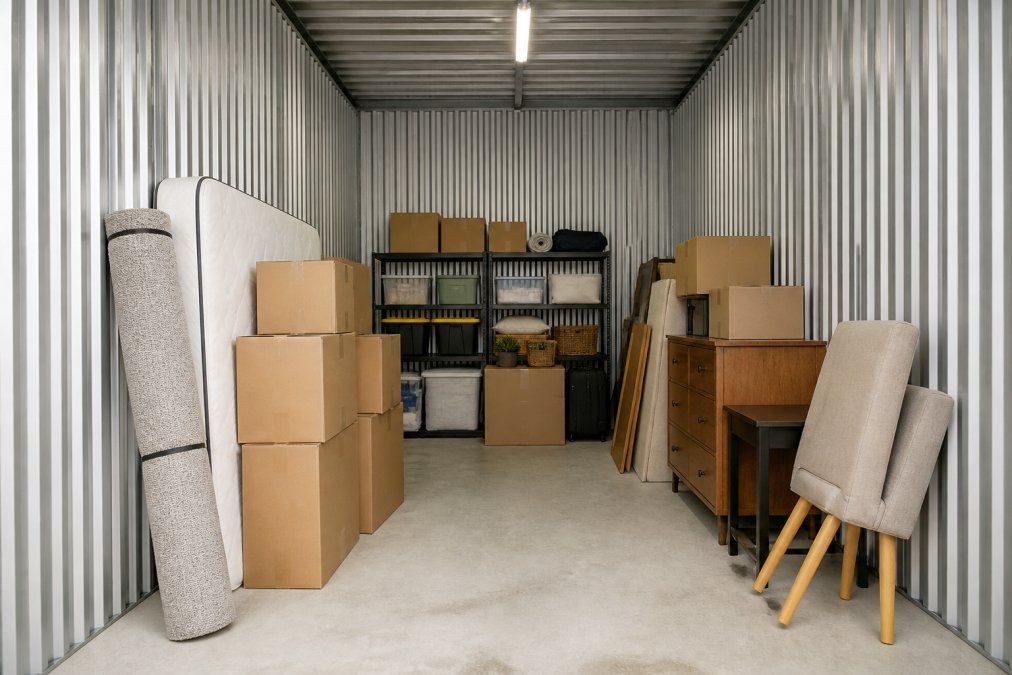
Small units (typically 2.5m × 2m or similar) work well for single rooms of household goods, think a bedroom’s worth of furniture, boxes from a study, or seasonal decorations. These suit homeowners between moves, people downsizing, or anyone storing items temporarily during renovations.
Medium units (around 3m × 3m) accommodate the contents of a small apartment or a few rooms from a house. This is the sweet spot for families relocating and needing short-term storage, or homeowners clearing out space during a renovation project. You can fit a lounge suite, dining table, beds, and several boxes of personal items without cramping.
Large household units (4m × 4m and above) handle full-house contents. If you’re storing everything from a three-bedroom home, or combining multiple rooms of furniture with boxes, a larger unit prevents the squeeze. The trade-off is higher monthly cost, but it eliminates the frustration of playing Tetris with your belongings.
A practical approach: list the major items you’re storing (beds, sofas, dining table, bookcases) and estimate their footprint. Add 20% for movement and access. Most self storage bunbury facilities can suggest an appropriate size based on your inventory.
Vehicle and Caravan Storage
Caravans, boats, and jet skis require different considerations than household goods. A standard caravan is typically 6m-8m long and 2.5m wide, you need a unit that accommodates the full length plus a small buffer for manoeuvring. Boat storage often requires height clearance if the vessel is tall or has a cabin.
Secure, weatherproof vehicle storage protects against UV damage, salt spray, and theft. If you’re storing a vehicle for months rather than weeks, climate control can be a worthwhile investment.
Ask the facility about gate access and towing space. Some units have dedicated vehicle bays with direct access, while others require manoeuvring through narrow passages. For wide caravans or boats, confirm the unit width and any overhead restrictions before committing.
Business Inventory Storage Solutions for Growing Companies
Small and medium-sized businesses often face a common challenge: inventory outgrows available space faster than they can afford commercial premises. Excess stock piles up in offices, warehouses become overcrowded, and e-commerce retailers struggle to manage seasonal peaks.
Self storage bunbury offers a cost-effective middle ground. Rather than leasing larger commercial space, businesses can rent additional units as inventory grows, then scale back when demand drops. This flexibility is especially valuable for seasonal businesses, retail shops preparing for Christmas, landscapers storing equipment over winter, or e-commerce retailers managing peak-season stock.
Tradespeople and contractors benefit from secure storage for tools, materials, and equipment. A dedicated unit keeps job sites organised, prevents theft, and means you’re not transporting expensive tools to and from every project. Many contractors find that a small business storage unit pays for itself through reduced tool loss and improved site efficiency.
The key consideration for business use is access frequency. If your team needs to retrieve inventory or materials multiple times weekly, 24/7 access becomes essential. If you’re storing seasonal stock that you’ll collect periodically, standard access hours may suffice. Urban Self Storage’s flexible access options accommodate both scenarios.
Security, Access, and Climate Control: What Matters Most
Storage facilities aren’t all equivalent when it comes to protection. The difference between a secure facility and a basic one determines whether your belongings stay safe or become vulnerable to theft and damage.
24/7 CCTV Surveillance and Gated Entry
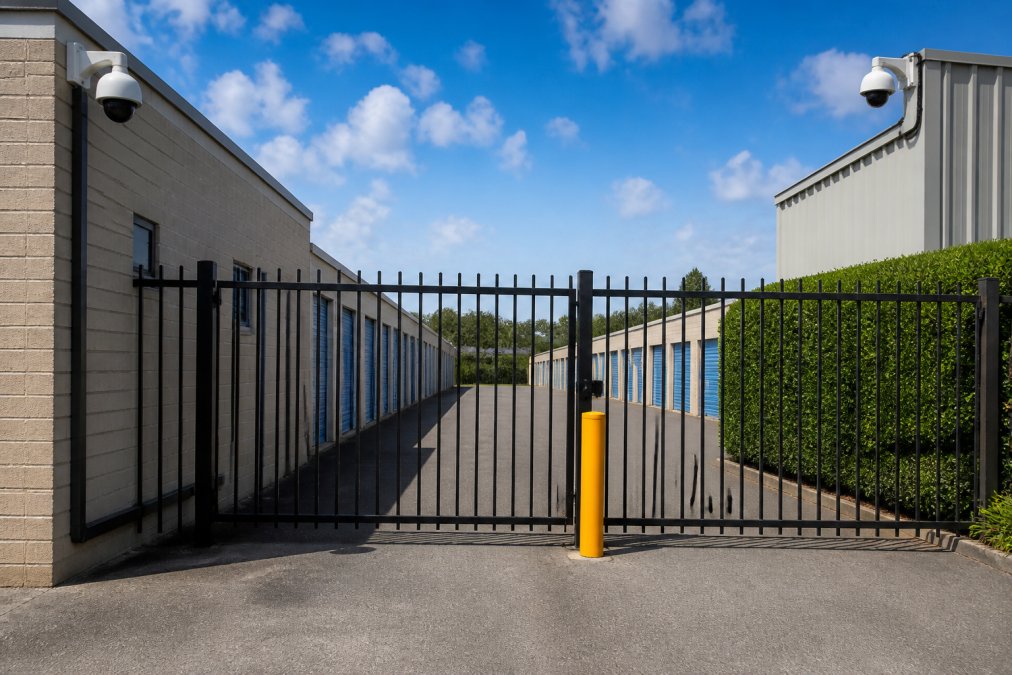
Security starts with visibility. CCTV surveillance means someone can review footage if something goes missing, and the presence of cameras acts as a deterrent. Gated entry restricts access to paying customers, preventing opportunistic theft. Urban Self Storage combines both: 24/7 CCTV monitoring across all units, gated access, and individual padlock security on each unit.
This matters more than it might seem. A storage facility without CCTV or gating is essentially an unsecured warehouse, anyone can walk in, and if something disappears, there’s no record of who accessed the facility or when. With proper security, you know exactly who entered, when they accessed their unit, and have footage to prove it if needed.
The practical benefit: you can store high-value items (tools, equipment, furniture) without constant worry. Tradespeople storing expensive power tools, e-commerce retailers storing valuable inventory, and homeowners storing jewellery or electronics all benefit from the assurance that the facility is monitored 24/7. home organisation tips.
Climate-Controlled vs Standard Units
Climate control maintains consistent temperature and humidity, protecting sensitive items from damage. Wooden furniture warps in humidity extremes (peer-reviewed research). Electronics fail when exposed to temperature swings. Artwork, documents, and textiles deteriorate in damp conditions.
Standard units offer basic weather protection, a roof and walls, but temperature and humidity fluctuate with seasons. In summer, uncontrolled units can reach 40°C or higher; in winter, humidity can spike (peer-reviewed research). This works fine for boxes of books, tools, or non-sensitive household goods. But for furniture, electronics, or anything valuable or sentimental, climate control prevents long-term damage.
The cost difference is meaningful. Climate-controlled units typically cost 30-50% more than standard units, depending on size and location (bls.gov). The decision comes down to what you’re storing and how long. Storing a lounge suite for three months? Standard storage probably suffices. Storing furniture, antiques, or electronics for a year or longer? Climate control is worth the extra cost.
Urban Self Storage offers both options, allowing you to choose based on your specific inventory and budget. Many customers opt for climate control for high-value items and standard units for less sensitive goods, mixing both to optimise costs.
How to Pack for Self Storage: Protect Your Belongings
How you pack directly affects whether your items emerge undamaged. Haphazard stacking and poor organisation lead to crushed boxes, broken furniture, and lost items.
Start by inventorying everything you’re storing. List major items and box contents, this saves time later when you need to retrieve something specific. Take photos of valuable items and their condition before storage; if damage occurs, you’ll have documentation for insurance claims.
Use sturdy boxes and packing materials. Flimsy boxes collapse under weight; quality boxes protect contents and stack safely. Wrap furniture in blankets or moving blankets to prevent scratches and dents. Disassemble large furniture if possible, beds, tables, and shelving take up less space when broken down, and assembled items are more prone to damage during storage.
Stack strategically. Place heavier boxes on the bottom, lighter ones on top. Don’t stack boxes so high that they become unstable or difficult to access. Leave space between stacks for air circulation, especially in non-climate-controlled units, this reduces moisture buildup and mould risk.
Label everything clearly. Mark boxes with contents and which room they came from. This seems obvious, but when you’re retrieving items months later, clear labels save hours of searching. Use a permanent marker on multiple sides of each box.
For furniture, keep drawers empty (remove them if possible) to reduce weight and prevent warping. Doors and drawers should be slightly ajar to allow air circulation. Don’t store items tightly wrapped in plastic for extended periods, moisture can become trapped and cause mildew.
A common mistake is treating storage as a dumping ground. Take 30 minutes to organise items logically: furniture along one wall, boxes stacked by room, seasonal items at the back. This organisation pays dividends when you need to access something without disturbing everything else.
Short-Term and Long-Term Storage: Flexibility Without Contracts
The flexibility to rent for as long as you need, without being locked into a contract, is a defining advantage of self storage bunbury. Some facilities demand minimum lease terms; Urban Self Storage offers short-term options perfect for renovations, moves, or temporary overflow.
Short-term storage (weeks to three months) suits people between moves, homeowners during renovations, or businesses managing temporary inventory peaks. You pay only for the months you use the space, then return the key. No long-term commitment, no early termination fees.
Long-term storage (six months to years) works for people downsizing who aren’t ready to discard items, seasonal businesses storing off-season inventory, or anyone with chronic overflow. The longer you rent, the more the cost matters, but the flexibility remains. You can adjust your storage arrangement or exit on reasonable notice.
The distinction matters because it changes how you approach storage. Short-term users can afford to be less selective about what they store, the goal is temporary relief. Long-term users benefit from being more deliberate: store only items you genuinely need, and consider whether you’re really going to retrieve them. Paying for storage on items you’ve forgotten about is money wasted.
Urban Self Storage’s flexible rental terms mean you’re not penalised for choosing short-term or long-term options. Month-to-month flexibility is available, allowing you to extend or exit based on your actual needs rather than a pre-set contract.
Insurance and What You Need to Know
Insurance for stored items is often overlooked until something goes wrong. Most standard home and contents policies don’t cover items in external storage, leaving you exposed if theft or damage occurs.
Many self storage bunbury facilities offer optional insurance, covering your items against theft, fire, and weather damage. This is worth considering, especially for high-value inventory, business stock, or irreplaceable household goods. The cost is typically modest, a percentage of your unit rental, and provides peace of mind.
Before purchasing facility insurance, check whether your existing home or business policy extends to stored items. Some policies do offer limited coverage for items in storage, but the limits are often low. If your stored inventory exceeds your policy’s coverage, additional facility insurance bridges the gap.
For business storage, insurance is even more critical. Stored inventory represents working capital; if it’s damaged or stolen, your business feels the impact immediately. Confirm that your business insurance covers stored stock, and if not, arrange facility coverage as part of your storage arrangement.
Keep documentation of what you’re storing and its condition. Photographs, receipts, and inventory lists support insurance claims if you ever need to file one. This is especially important for high-value items or irreplaceable goods.
Conclusion
Self storage bunbury addresses a practical need that most people face at some point: needing flexible, secure space without the cost and commitment of larger premises. Whether you’re a homeowner renovating, a business managing seasonal inventory, or a tradesperson securing tools and equipment, the right storage solution reduces stress and improves organisation.
Urban Self Storage’s two Bunbury area locations offer 24/7 CCTV surveillance, flexible rental terms, and unit sizes from small lockers to large commercial spaces, designed to match your specific needs without forcing you into oversized or undersized arrangements. The combination of secure facilities, convenient access, and competitive pricing makes self storage bunbury a practical choice for residential and business customers across the region. Book online now and get your storage solution in place within minutes.
Frequently Asked Questions
Q: What size storage unit do I need for a three-bedroom house?
A: For a three-bedroom house, most people need between 25 and 35 square metres. This accommodates furniture from bedrooms and living areas, plus boxes of household goods. Use a storage calculator to estimate based on your specific items, or visit a facility to see units in person. Choosing slightly larger than you think you need prevents overpacking and makes access easier.
Q: Do I need insurance for items in self storage?
A: Yes, insurance is strongly recommended. Most self-storage facilities carry building insurance, but this does not cover your personal belongings inside the unit. Your home or contents insurance may not extend to self storage either. Check with your insurer about adding storage coverage, or ask your storage facility about available insurance options to protect against theft, damage, or loss.
Q: Can I access my storage unit whenever I need it with 24/7 access?
A: Yes, 24/7 access means you can enter the facility and retrieve items at any time, day or night. This is ideal for tradespeople, small business owners, and anyone who needs flexible access to tools, inventory, or equipment. Access is controlled by keypad or card entry at secure gated facilities, so you are never locked out during your rental period.
Q: What is the difference between short-term and long-term storage options?
A: Short-term storage works for moves, renovations, or seasonal needs lasting weeks to a few months with no long-term contract required. Long-term storage suits ongoing needs like excess business inventory or vehicle storage, often with flexible monthly renewals. Both options offer the same security and access; the difference is commitment length and how pricing may adjust over time.
This article was written using GrandRanker